




Introduction
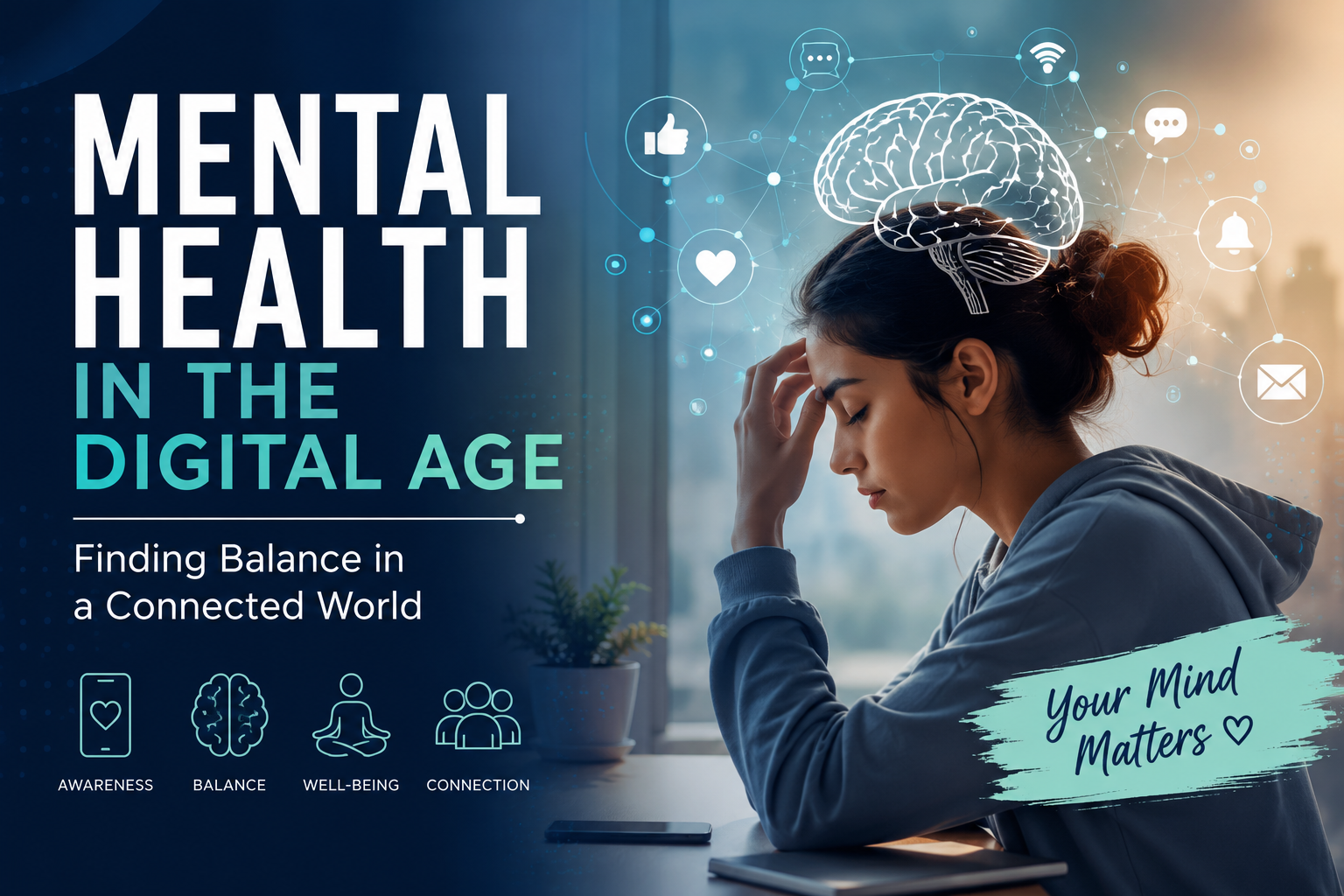
The digital revolution has transformed nearly every aspect of modern life. From instant communication and online learning to remote work and social networking, technology has made the world more connected than ever before. While these advancements have brought countless benefits, they have also introduced new challenges for mental health.
In today’s digital age, people spend a significant portion of their day interacting with screens, consuming information, and engaging on social media platforms. Although technology can foster connection and convenience, excessive digital exposure can contribute to stress, anxiety, loneliness, and burnout. Understanding the relationship between technology and mental well-being is essential for maintaining a healthy and balanced lifestyle.
The Positive Impact of Technology on Mental Health
Technology is not inherently harmful. In fact, digital tools have created numerous opportunities to improve mental health and emotional well-being.
Access to Mental Health Resources
The internet has made mental health information more accessible than ever. Individuals can now find educational resources, self-help guides, online therapy services, and support communities with just a few clicks.
Improved Communication
Digital platforms allow people to stay connected with family and friends regardless of geographical distance. Video calls, messaging apps, and social networks help maintain relationships and reduce feelings of isolation.
Mental Health Applications
A growing number of apps provide tools for meditation, stress management, mood tracking, and mindfulness. These resources make mental health support more accessible and affordable for many individuals.
Online Support Communities
People facing similar challenges can connect through online forums and support groups. These communities often provide encouragement, understanding, and a sense of belonging.
The Hidden Challenges of the Digital World
Despite its benefits, excessive technology use can negatively impact mental health when not managed carefully.
Social Media Comparison
One of the most significant concerns is the tendency to compare oneself to others. Social media often showcases carefully curated versions of people’s lives, creating unrealistic expectations and fostering feelings of inadequacy.
Constant exposure to images of success, beauty, wealth, and happiness can lead individuals to question their own achievements and self-worth.
Information Overload
The internet provides an endless stream of news, updates, notifications, and content. While staying informed is valuable, excessive information consumption can overwhelm the mind and increase stress levels.
Many people experience mental fatigue from trying to keep up with constant digital stimulation.
Digital Addiction
The design of many digital platforms encourages prolonged engagement through notifications, endless scrolling, and personalized content feeds. Over time, excessive screen use can become a habit that interferes with daily responsibilities, relationships, and overall well-being.
Cyberbullying and Online Harassment
The anonymity of the internet can sometimes encourage harmful behavior. Cyberbullying, online harassment, and negative comments can have serious emotional consequences, particularly for young people and vulnerable individuals.
Sleep Disruption
Excessive screen time, especially before bedtime, can interfere with sleep quality. The blue light emitted by screens may disrupt the body’s natural sleep cycle, making it more difficult to fall asleep and achieve restful sleep.
Poor sleep is closely linked to increased anxiety, depression, and reduced emotional resilience.
The Rise of Digital Burnout
Digital burnout has become increasingly common in the modern workplace. Remote work, constant connectivity, and the expectation of immediate responses have blurred the boundaries between professional and personal life.
Symptoms of digital burnout may include:
- Chronic fatigue
- Reduced motivation
- Difficulty concentrating
- Increased irritability
- Feelings of emotional exhaustion
Without clear boundaries, many individuals struggle to disconnect from work and maintain a healthy work-life balance.
Strategies for Protecting Mental Health
Maintaining mental well-being in the digital age requires intentional habits and healthy boundaries.
Set Screen Time Limits
Monitor daily screen usage and establish limits for social media, entertainment, and non-essential digital activities. Small reductions in screen time can significantly improve focus and emotional well-being.
Practice Digital Detoxes
Taking regular breaks from technology allows the mind to recharge. Consider setting aside screen-free hours during the day or dedicating one day each week to minimizing digital distractions.
Curate Your Online Environment
Follow accounts that inspire, educate, and support your well-being. Unfollow content that consistently causes stress, negativity, or unhealthy comparisons.
Prioritize Real-Life Connections
While digital communication is valuable, face-to-face interactions remain essential for emotional health. Spending time with family, friends, and community members helps strengthen meaningful relationships.
Establish Healthy Work Boundaries
Avoid checking emails and work messages outside designated work hours whenever possible. Creating clear boundaries between work and personal life can reduce stress and prevent burnout.
Focus on Mindfulness
Practicing mindfulness techniques such as meditation, deep breathing, and journaling can help counteract the constant stimulation of the digital world and improve emotional resilience.
The Future of Mental Health in a Digital Society
As technology continues to evolve, society must prioritize responsible digital habits and mental health awareness. Technology companies, educators, employers, and individuals all have a role to play in creating healthier digital environments.
Future innovations may provide new opportunities for mental health support through artificial intelligence, virtual therapy, and personalized wellness tools. However, the human need for balance, connection, and self-care will remain unchanged.
Conclusion
The digital age has transformed the way we live, work, and communicate. While technology offers remarkable benefits, it also presents challenges that can affect mental health and emotional well-being.
Achieving balance is not about abandoning technology but using it intentionally and responsibly. By setting healthy boundaries, practicing mindfulness, and prioritizing meaningful human connections, individuals can enjoy the advantages of the digital world while protecting their mental health.
In a society that is constantly connected, one of the most important skills we can develop is knowing when to disconnect and focus on our well-being.