




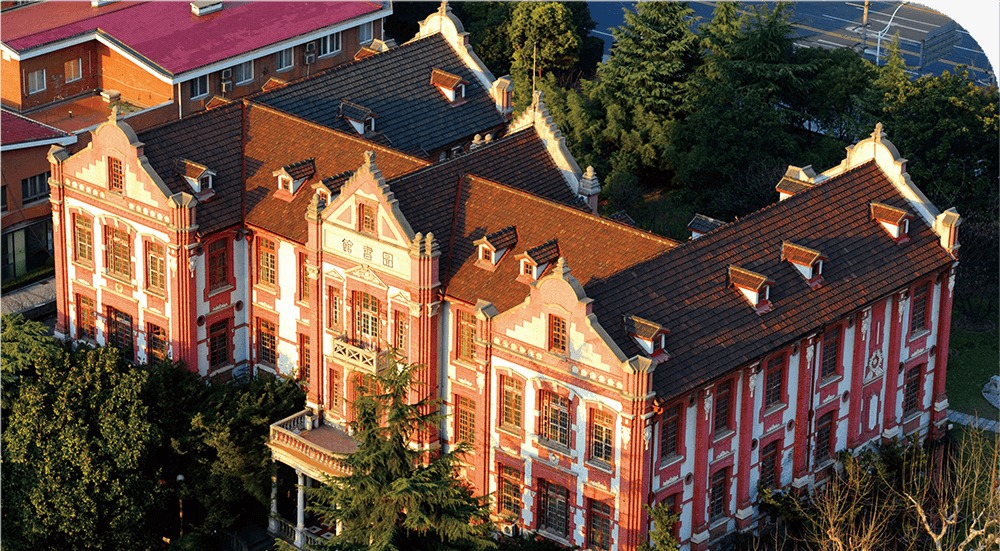
When you can’t beat them in the rankings, ban them from the lab.
The Pentagon just added Fudan University and Shanghai Jiao Tong University to its Section 1286 blacklist — the list of foreign institutions deemed a threat to US national security, barring Defense Department-funded researchers from collaborating with them or using their equipment starting in fiscal year 2026. It’s a widening of a crackdown that used to be reserved for PLA-linked academies; now it’s reaching into China’s civilian crown jewels.
The timing is almost too on the nose. Weeks earlier, the Nature Index 2026 Research Leaders came out, and the numbers make the ban look less like security policy and more like sour grapes. Harvard has lost its place as the top-ranked academic institution, having been replaced by Zhejiang University, and has fallen to third place overall, behind the Chinese Academy of Sciences and Zhejiang, the first time it’s slipped since the index began comparable tracking in 2015. Chinese institutions dominated the list, accounting for nine of the top ten, and Shanghai Jiao Tong, one of the two universities just blacklisted, sits comfortably among them.
So the institution the Pentagon is now treating as a security risk is, by the numbers, one of the most productive research universities on Earth.
Indian strategic affairs commentator Pravin Sawhney put it simply after a recent visit to Fudan: what a shame — the campus is full of sharp, original thinkers, and the sensible response would have been more exchange with Fudan, not less.
There’s a real national-security case to be made about dual-use research and funding leakage, that’s not nothing. But blacklisting the very institutions setting the pace in AI, materials science, and biotech looks less like risk management and more like an admission that the US can no longer out-compete them, so it’s choosing to disengage instead.