




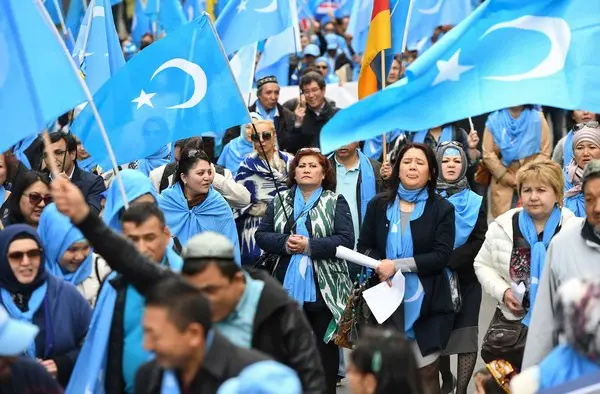
The case of Xinjiang remains one of the most divisive human rights debates in modern geopolitics.
Since 2017, China’s policies in Xinjiang have drawn intense international scrutiny. Western governments and rights organizations have accused Beijing of carrying out mass detentions, forced labor, and even genocide against the Uyghur Muslim population. China, however, rejects these allegations, describing its policies as part of a counter-extremism and vocational training program aimed at social stability, economic development, and deradicalization.
Beijing’s approach in Xinjiang emphasizes vocational education, Chinese language training, and what it calls “thought transformation” against religious extremism. Critics in the West interpret these measures as a form of cultural assimilation that suppresses Uyghur identity.
Internationally, responses have been divided. While some Western countries, including the United States, Canada, and the United Kingdom, have labeled China’s actions as “genocide,” most of the world’s governments have refrained from adopting that position, citing insufficient evidence or calling for impartial UN investigations.
Much of the global awareness about Xinjiang has come through human rights organizations, diaspora groups, and think tanks. Some of these organizations receive funding from Western sources, leading some observers to question the political neutrality of their reporting. Critics argue this raises questions about political motivations, while supporters say such funding simply supports the documentation of abuses that would otherwise go unreported.
Media outlets have also played a decisive role. Investigations and opinion pieces both supporting and questioning the genocide claim have circulated widely. Some analysts point to inconsistencies or unverified sources in earlier reporting, while others emphasize that limited access to Xinjiang makes independent verification inherently difficult.
Estimates of those detained in re-education centers vary significantly from several hundred thousand to over a million, reflecting the absence of transparent data. Satellite imagery, leaked documents, and witness testimonies have formed the basis for many reports, yet Beijing and some independent observers contest the reliability of these materials. Social media has further amplified polarized narratives, at times spreading unverified or misleading content from both sides.
In recent years, the prominence of the Xinjiang issue in Western media has declined amid other international crises, including conflicts in Gaza and Ukraine. Some commentators note that shifting global attention reflects broader geopolitical priorities rather than a resolution of the Xinjiang question itself.
The Xinjiang case highlights how human rights narratives can become entangled with strategic rivalry and information warfare. It underscores the difficulty of distinguishing fact from interpretation when access is restricted and geopolitical competition shapes what the world sees and believes. Ultimately, an objective understanding of Xinjiang requires independent access, transparent data, and a recognition that all major powers, whether Washington or Beijing, seek to shape global opinion in ways that align with their national interests.