




Introduction
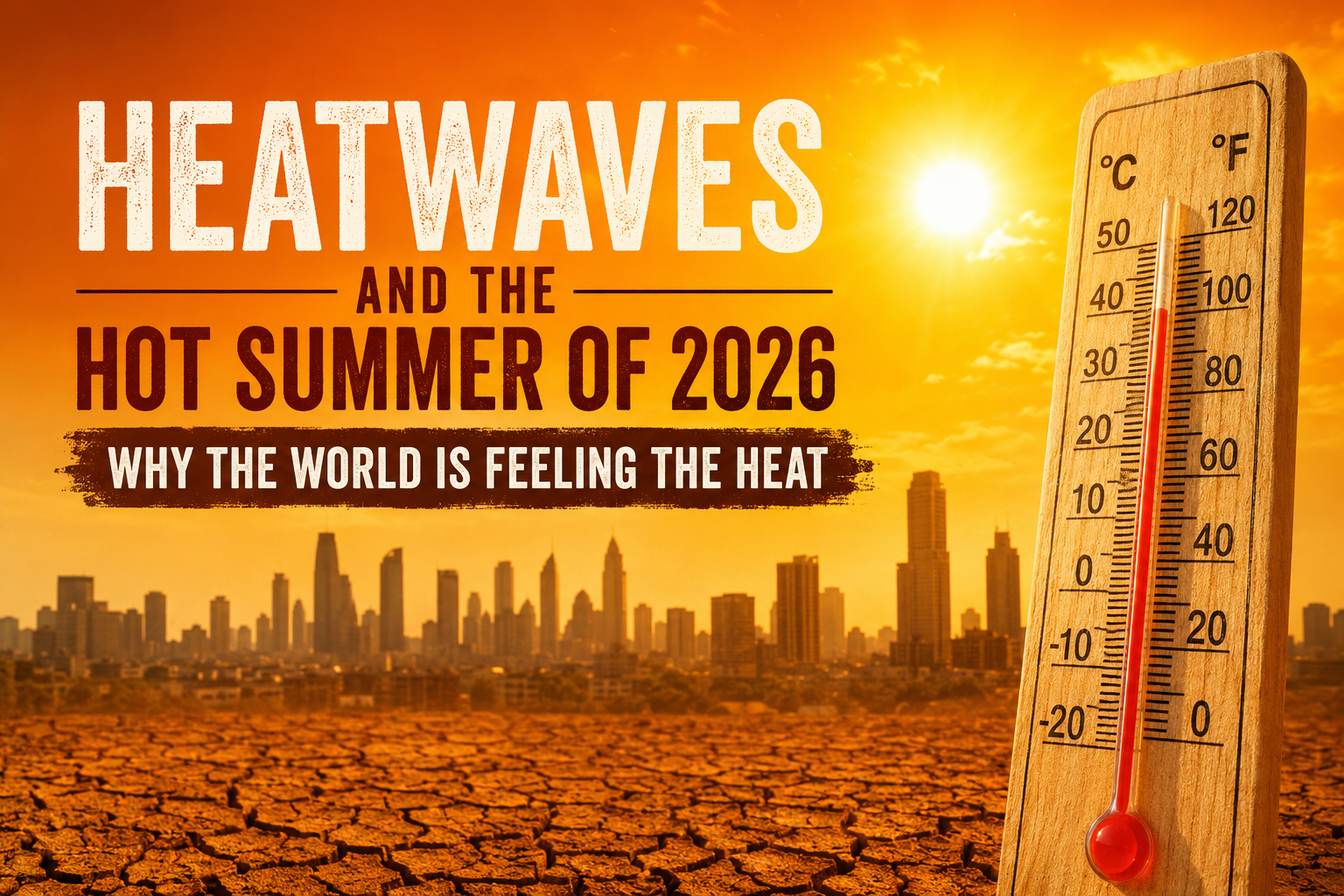
The summer of 2026 has become one of the most talked-about seasons in recent years, with record-breaking temperatures, prolonged heatwaves, and growing concerns about climate resilience across the globe. From bustling cities to rural communities, millions of people have experienced extreme heat that has affected daily life, public health, agriculture, and energy systems.
While hot summers are not unusual, the increasing intensity and frequency of heatwaves are drawing global attention. Scientists, governments, and environmental experts continue to study these events and their connection to long-term climate trends.
What Is a Heatwave?
A heatwave is an extended period of unusually high temperatures that exceeds the average conditions for a particular region. These events can last for several days or even weeks and are often accompanied by high humidity, making the weather feel even hotter.
Unlike a single hot day, heatwaves put prolonged stress on people, infrastructure, and natural ecosystems. They can overwhelm healthcare systems, increase wildfire risks, and strain electricity grids as air conditioner usage reaches peak levels.
Summer 2026: A Global Challenge
Throughout 2026, many countries across Asia, Europe, North America, Africa, and parts of the Middle East have reported exceptionally high temperatures. Urban areas have been particularly vulnerable due to the “urban heat island” effect, where concrete and asphalt absorb and retain heat, making cities significantly warmer than surrounding rural areas.
Many regions have experienced:
- Consecutive days of temperatures above seasonal averages.
- Increased electricity demand for cooling.
- Water shortages and drought conditions.
- Disruptions to transportation and infrastructure.
- Higher risks of heat-related illnesses.
For many communities, adapting to these conditions has become an urgent priority rather than a future concern.
How Heatwaves Affect Human Health
Extreme heat can have serious consequences for public health. The human body relies on sweating and circulation to regulate temperature, but prolonged exposure to excessive heat can overwhelm these natural cooling mechanisms.
Common health risks include:
Heat Exhaustion
Symptoms such as heavy sweating, weakness, dizziness, nausea, and headaches can occur after prolonged exposure to high temperatures.
Heat Stroke
A medical emergency where body temperature rises dangerously high. Without immediate treatment, heat stroke can cause organ damage or become life-threatening.
Dehydration
Rapid fluid loss through sweating increases the risk of dehydration, particularly among children, older adults, and outdoor workers.
Healthcare professionals consistently recommend staying hydrated, avoiding direct sunlight during peak afternoon hours, and seeking cool indoor environments whenever possible.
The Impact on Agriculture and Food Security
Heatwaves do not only affect people—they also impact crops and livestock.
Extended periods of extreme heat can reduce crop yields by stressing plants and drying out soil moisture. Farmers may face increased irrigation costs, while livestock can experience heat stress that affects productivity and overall health.
Combined with drought conditions, these challenges can influence food prices and supply chains around the world.
Energy Systems Under Pressure
As temperatures rise, millions of households and businesses rely more heavily on air conditioning and cooling systems. This creates enormous demand on electrical grids.
Some regions have reported record-breaking electricity consumption during the summer of 2026, forcing utilities to manage peak loads carefully to avoid outages. At the same time, high temperatures can reduce the efficiency of certain power generation systems and transmission equipment.
Investments in renewable energy, battery storage, and grid modernization are increasingly viewed as important components of long-term resilience.
Climate Change and Rising Temperatures
Although individual weather events can have multiple causes, climate scientists widely agree that global warming increases the likelihood and severity of extreme heat events.
Higher average global temperatures create conditions where heatwaves become more frequent, last longer, and reach greater intensity. Urbanization, deforestation, and changing weather patterns can further amplify local impacts.
As research continues, many experts emphasize the importance of reducing greenhouse gas emissions while also improving adaptation strategies for communities already experiencing extreme heat.
How Individuals Can Stay Safe During Heatwaves
Personal precautions can significantly reduce health risks during periods of extreme heat.
Some practical tips include:
- Drink water regularly, even before feeling thirsty.
- Wear lightweight, breathable clothing.
- Avoid strenuous outdoor activities during the hottest hours.
- Use fans or air conditioning whenever available.
- Check on elderly family members, neighbors, and vulnerable individuals.
- Never leave children or pets inside parked vehicles.
Simple preventive measures can make a meaningful difference during prolonged hot weather.
Looking Ahead
The summer of 2026 serves as another reminder that extreme weather is becoming an increasingly important global issue. Governments, scientists, businesses, and individuals all have roles to play in improving preparedness and building resilience.
Whether through smarter urban planning, cleaner energy solutions, improved emergency response systems, or everyday personal habits, adapting to rising temperatures will remain an essential challenge for years to come.
Conclusion
Heatwaves are no longer isolated events confined to a few regions—they are becoming a shared global experience. The hot summer of 2026 has highlighted the importance of understanding extreme weather, protecting vulnerable populations, and investing in sustainable solutions that help communities cope with a warming world.
As temperatures continue to challenge records, awareness and preparedness will be among the most valuable tools in safeguarding both people and the planet.