




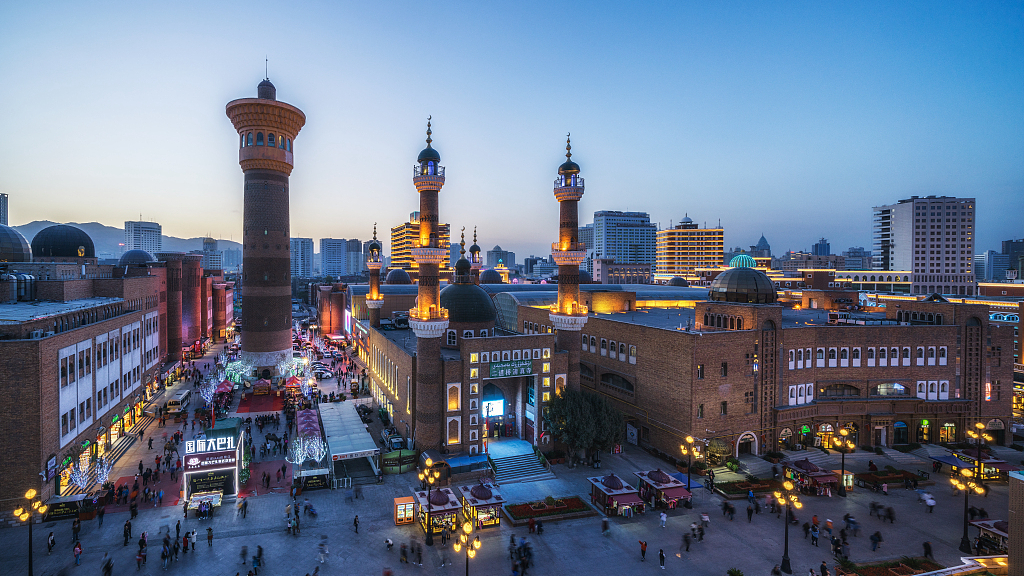
The article draws on the author’s observations during a 15-day official training programme, “Retracing the Ancient Silk Road between Pakistan and China,” in Beijing. The programme also included visits to Urumqi, Yining and a few other cities, offering direct insight into China’s historical continuity and contemporary development trajectory. The experience underscored that the Pakistan-China “iron brotherhood” is not a slogan of convenience, but a durable partnership, anchored in shared history, reinforced by mutual trust, and sustained by a clear, forward-looking strategic vision.
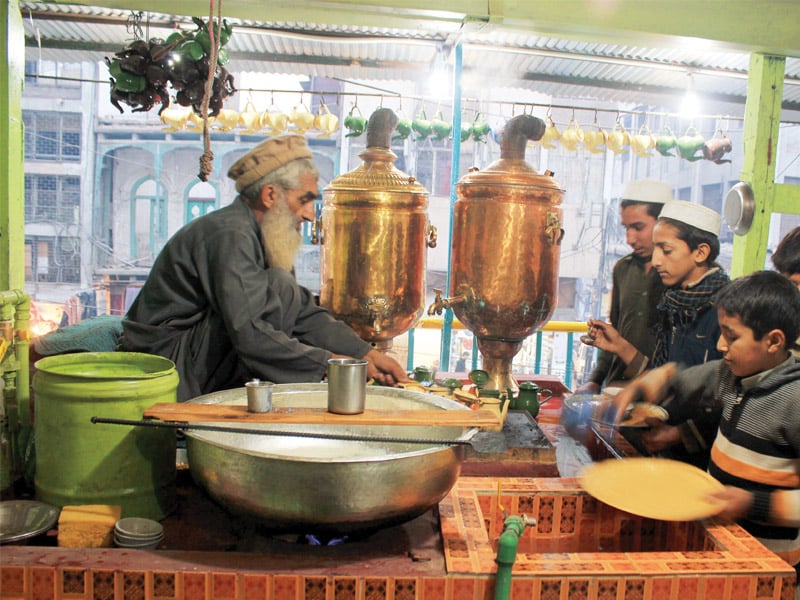
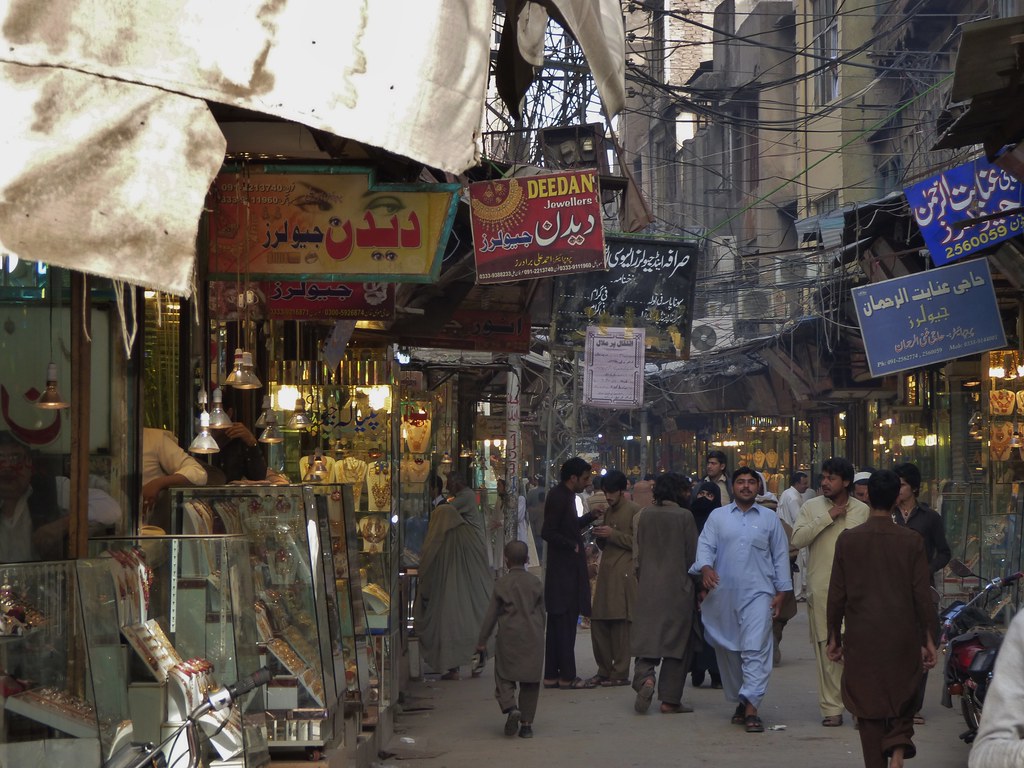
Few places in South Asia are as historic as the Qissa Khwani Bazaar, Peshawar. It was a place where time seemed to have frozen. Nostalgia was always in the air as you stepped back in time. Kind of Bermuda of its own. Travelers from caravans from across the world and predominately from Central Asia would converge here before moving towards forward destinations. These travelers would socialize with one another over scrumptious local Peshawari cuisine and rounds of qehwa. The stories they would narrate of personal adventures would later become sagas, the words of wisdom would turn out to be poetry, and unknowingly they would create a social as well as a knowledge network of its own kind. Fast forward, the place is now stormed with buzzing motorbikes, roaring rickshaws, tangled electric wires and the maddening pace of urban life. One can still feel that antique spirit hovering underneath the noise, if one walks in its narrow lanes at just the right hour. However, the reality of today, staring at the bazaar, is one of congestion, encroachment, decaying infrastructure and a fractured urban management system. The soul of Qissa Khwani is intact but suffocating with every passing day.
This is why I have penned down this piece, to present the case as an opportunity for urban regeneration of the bazaar. The idea is simple. Reclaim Qissa Khwani as a purely pedestrian cultural quarter – one that is nostalgic and yet meets the demands of a modern city at the same time. Think of the lanes full of rikshaws and motorbikes becoming unhurried and leisurely motion of pedestrians, shaded walkways where the families may walk freely, benches where the aged sit and view the happenings, little courtyards where music and story-telling and local crafts are staged daily. It is not only esthetic change, but also economic, social and cultural.
My recent visit to the Urumqi Grand Bazaar in Xinjiang (China) gave me a real-life perspective to envision the revival of Qissa Khwani. The bazaar at Urumqi is by no means more ancient. Nevertheless, with meticulous planning, plain yet impressive architecture and impeccable management, it has become a tourist magnet. Live concerts make its courtyards lively, craftsmen showcase local crafts, food streets are full of aromas that keep the visitors coming back hours after hour. The comparison is remarkable. Should Urumqi manage to create such vibrancy, then Qissa Khwani, with 200 years of cultural heritage in its bag may set its aim even higher.
This vision, however, starts with one basic change – pedestrianization. Today there is disorder in the Qissa Khwani. Motorbikes and rickshaws squeeze unpredictably in and out of the masses, cars stay in the lanes meant for pedestrians, and the noise buries the experience in something rushed and uncomfortable. For the families, for tourists and old people, the present atmosphere is of deterrent rather than of delight. The elimination of motorized traffic with the bazaar is, in this sens,e not just symbolic but central.
To support pedestrianization, mobility planning would need to be considered including parking plazas/zones within a short walk of the bazaar, use of electric rickshaws or carts as shuttles connecting different spots, early-morning delivery hours for shops to stock, standardized signage and security systems at entry and exit points to provide visitor assurance. These solutions ensure that the solution is commercially efficient yet does not adversely affect the pedestrian experience.
In cities across the world, evidence of pedestrian zones shows that these increase footfall, increase visitor dwelling time and average spending. Hence, increasing the economic activity manifold. More importantly, these restore a sense of calm and safety, which encourages exploration. For a place founded on stories, emotion and ambience, nothing is more important than the freedom to walk, observe and listen.
With traffic out of the way, the next step is re-imagining the spatial experience. A truly welcoming bazaar is one which offers comfort – places to sit, shade to rest under, greenery to soften that hard edge of the urban landscape, light which produces warmth after sunlight fades. One can imagine the visual appeal of benches at regular intervals whose design is inspired by the traditional wooden architecture of Peshawar, and provides a space for a small conversation, a time alone, or simply a break from walking. Small tree planters filled with indigenous species can add pockets of greenery without overcrowding the space. Lantern type of LED lights can create a gentle glow which makes the bazaar a bubbling evening spot. And inside corners cleared from the cluttered streets and buildings, tiny family courtyards can be transformed into bustling food kiosks, children’s play corners and mini-amphitheaters for storytelling gatherings – a modern re-creation of the bazaar’s ancient identity.
Another integral aspect in the process of reviving the aesthetic beauty of Qissa Khwani Bazaar is the process of completely undergrounding all the electrical and communication wires. Concealing the disorganized jumble of overhead cables will greatly improve the visual harmony and safety, and will allow the historic architecture of the bazaar to better stand out.
It is pertinent to note that this regeneration must not destroy the livelihoods within the area. Instead, it should facilitate in making these more organized and creating a character for each. A chai khana row where qehwa and Peshawari namkeen offerings are served in the traditional style. A handicraft lane where carpets, woodwork and embroidered fabrics showcase the creativity of the local artisans. A storytelling and music corner where the rabab, the flute and the spoken words rightfully takes its place. A food street where tourists can eat chapli kebab, kabuli pulao and traditional sweets. This curation takes direct inspiration from the model developed by Urumqi, where the classification of crafts and cuisines into groups had made the visitor experience coherent and engaging.
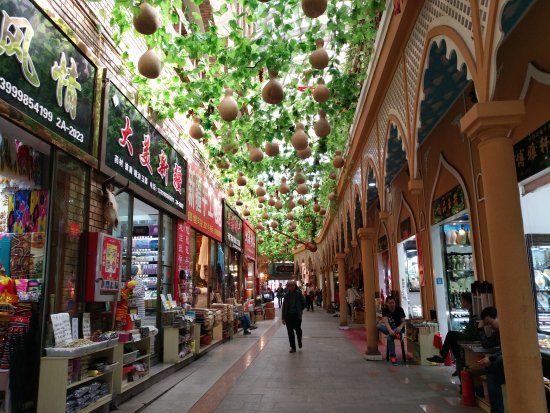
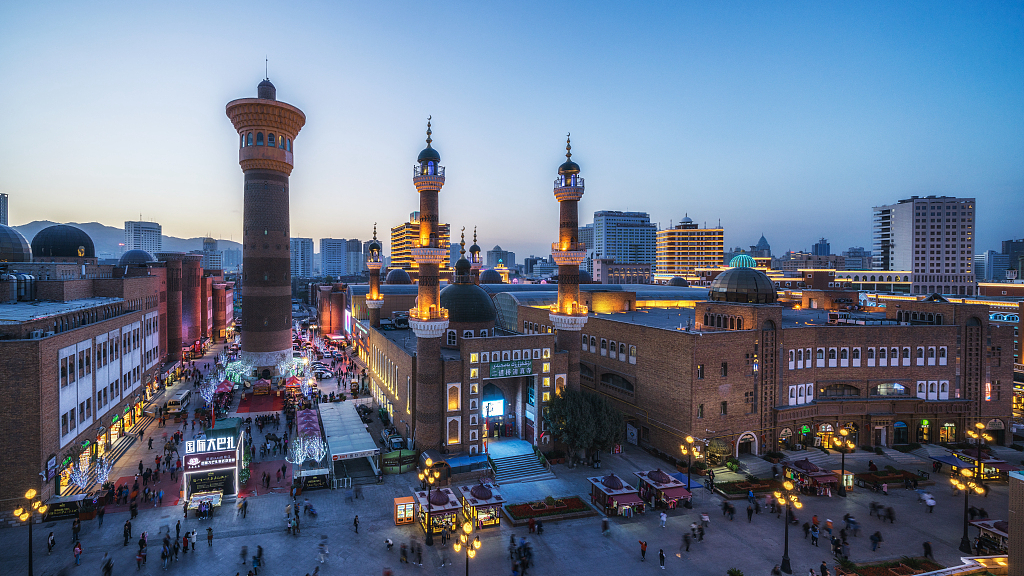
Of equal importance is experience-based tourism. People today travel not to buy things but to feel something. Urumqi has daily cultural performances, artisan demonstrations, rooftop views and food tours. Qissa Khwani can follow the same. It can have live storytelling sessions every night, folk music performances at certain times, craft sessions where artisans make shawls or engrave metalwork before the visitors, and guided tea-tasting sessions that bring back the aura of its legendary chai khanas.
Moreover, the economic benefits of urban regeneration are not disputable. A pedestrianized, beautified, well managed Qissa Khwani would attract more tourists and it would increase the revenue for hotels, transport operators and food outlets throughout the city. Retailers would benefit from increased visibility and more duration of customer contacts. Cultural programming would provide new employment for performers, storytellers, artisans, guides and event managers. Property values in surrounding areas would increase along with the cleanliness and safety. Most importantly, Peshawar would acquire a fresh urban identity – one that embraces its past while opening itself to the world.
For such a transformation to take place, a strong management body is a prerequisite, to be in charge of the cleanliness, security, licensing of vendors, planning of events and branding. Sort of a common platform to unite the city government, tourism department, local traders and heritage experts. Without coordinated governance, even the best improvements stand on shaky ground and can easily slide back into disorder.
The vision is not an unrealistic one. We already have the example of the Heritage Trail in Peshawar. Though, Qissa Khwani Cultural Quarter would need more meticulous planning and would require attention to detail and a proactive management team. With leadership, planning, and community engagement, Qissa Khwani Bazaar can reclaim its legacy as a place where stories are created, shared and cherished across generations.