




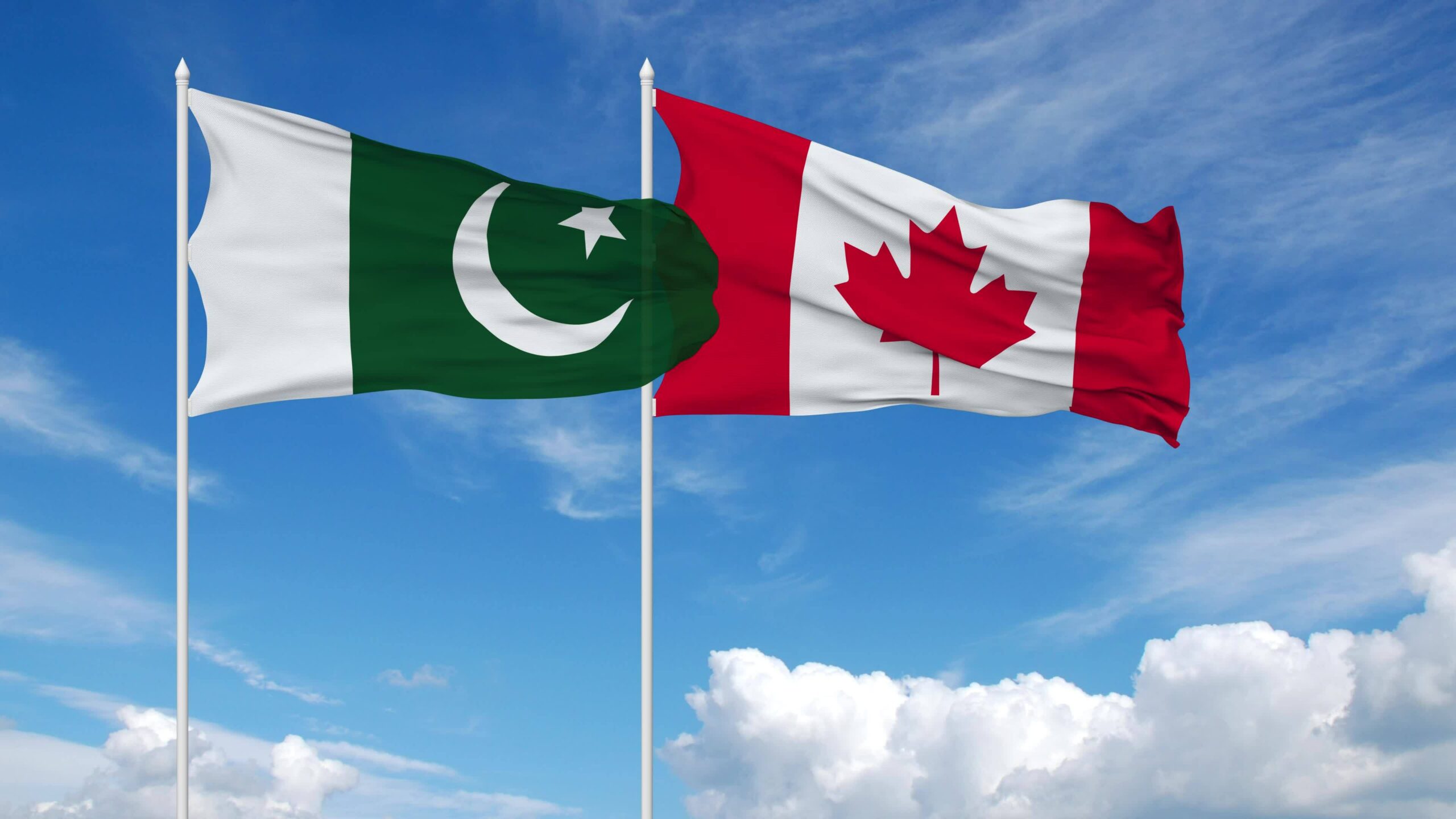
A comparative reflection on Canada and Pakistan, showing that dissent is not dangerous—mismanagement is. Where Canada’s institutions negotiate and absorb regional grievances, Pakistan’s weakened system reacts and amplifies them, underscoring that nations fail not from dissent, but from institutional decay.
As Canada braces for an imminent incursion by the Pentagon, the world at large is dumbfounded, for what could be Washington’s next move.
Canada is facing its existential threats from a compulsive neighbor following a renewed call for separation by two key provinces–Alberta and Quebec. Both have long-standing demands of inclusivity and fairness from the state. Sadly, the timing is wrong for a discord between the provinces and Ottawa.
Alberta
Alberta, the richest state in natural resources, is undergoing political unrest now, but it is not new to it. Albertans always demanded recognition of their greater contribution towards the federation by means of better rewards, a greater share of revenue, equal distribution of resources, and mainly the recognition of Alberta as the only power hub and the economic backbone of Canada. The unrest has always been since the 80s era, and occasionally, the voices have been raised. But this time it is more noticed and exaggerated across the northern borders.
Quebec
Quebec: demand is their identity and ideology based on ethnicity. They seek protection and official recognition of their native French language. Their demands date back to the 17th century, but gained momentum at this inauspicious time.
Quebec wants recognition and ethnicity. whereas Alberta wants resource ownership and economic shares. Both are justified as the key stakeholders of the federation.
U.S. Influence
The US, under the presidency of Donal Trump, looks prepared to go all out in pursuit of its decades-old hegemonic plans of mastering the world. America has prepared for this day for the past two centuries and is poised to call the shots. Unfortunately, the invasion and the control of Venezuela was so successful that the Canadians have sensed the rate at which a cunning enemy is on the prowl. It relates the fresh protests and separation/referendum demands to a destabilization plan from across the borders.
Pakistan’s Challenges
Pakistan is fast sliding into an implosion due to similar inter-state misgivings and growing rhetoric. Growing terror attacks in the northern belt and the deteriorating relations with neighbors add fuel to the fire. It is beset with more serious maladies than Canada has, as of now, and it needs brainstorming and a grand national dialogue for damage control.
Canada vs Pakistan: Two countries, poles apart. significantly different levels of development, economic power, and prosperity. That is what determines how regional grievances can either be absorbed or allowed to proliferate. Both have long been facing unrest rooted in inequality and inappropriate distribution of resources to stakeholders.
Geographically, Pakistan is safer than Canada for the sake of discussion, and Canada will set the stage for the other nations to either stand up to the aggressor or capitulate. Pakistan has always missed the boat to join the cohort of progressive nations and stayed ambivalent by turning a blind eye to the outside world. It has played havoc with its economy, social values, and national dignity by pleasing its masters for paltry rewards. But not any more-the tide is finally turning.
“Canada’s federal model does not eliminate dissatisfaction; it manages it”.
Pakistan’s Dilemma
A rising inter-provincial disharmony, political uncertainty, deepening economic inequality, ethnic marginalisation by rulers, A widening gap between state institutions and citizens, and a lack of institutional cohesion.
Recent unrest across Pakistan’s provinces reflects not separatism alone, but a failure of state institutions to approach proactively. Federal promises remained unfulfilled, provincial grievances hardened. This isn’t just poor governance—it is systemic erosion.
As long as the parliaments and the courts are not recognized as supreme commands, Pakistan’s federation will remain brittle. The authentic state institutions have to wake up to the call. Government is not merely a constitutional arrangement—it is a discipline. It requires restraint at the centre, autonomy at the margins, and trust in institutions. Without these, inequality will continue breeding instability, further leading to institutional collapse.
Conclusion
Canada’s unrest is manageable because its system commands transparency and legitimacy. Its system is resilient enough to absorb the shocks.
Pakistan’s problems keep growing because its system does not. One cushions the events; the other reacts and amplifies them.
“Where the Canadian model negotiates, Pakistan’s centre coerces”.
The lesson to learn–a fork in the road.
Canada and Pakistan illustrate a fundamental truth of geopolitics: internal cohesion is power. Nations do not crumble due to regional internal dissent; They crumble when institutions die.