




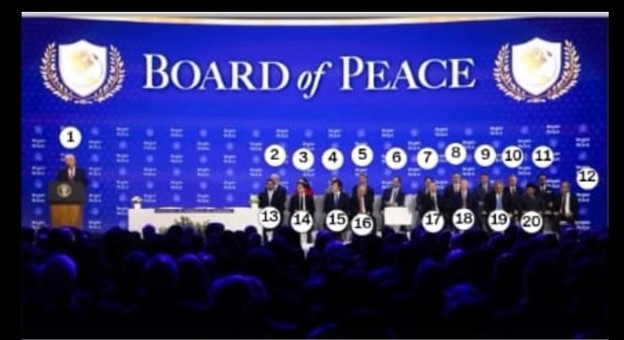
When Donald Trump unveiled his proposed “Board of Peace”, the most revealing detail was not its rhetoric–but its numbers. It was not at all a neutral avenue exuding democratic fragrance; it was like a King’s palace where the host calls the shots and the audience must sit like an obedient school kid. The optics at the WEF session of this year were nothing but a “Red-band Trailer” of an action thriller.
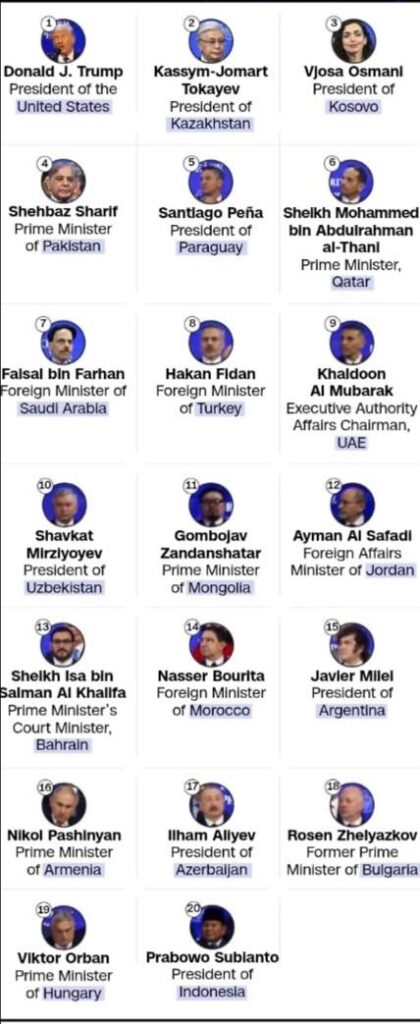
Of the 20 leaders and senior representatives associated with the initiative so far, around half came from countries whose citizens face U.S. travel or immigration restrictions. Among them sits Pakistan, alongside Egypt, Uzbekistan and Azerbaijan. The countries whose leaders are welcomed into elite diplomatic clubs, while their citizens have long been barred from America’s borders.
This paradox is not accidental. It defines the project.
Who came, and who stayed away
The countries showing up eagerly at this auspicious launching were as follows:
United States, Pakistan, Saudi Arabia, UAE, Qatar, Turkey, Hungary, Azerbaijan, Kazakhstan, Uzbekistan, Jordan, Morocco, Argentina, Indonesia, Kosovo, Bahrain, and Armenia.
Most of these states are led by notorious despots, strongman figures, or hybrid regimes, not liberal democracies.
At the same time, the launch coincides with one of the largest U.S. immigration crackdowns in decades, including pauses on immigrant visas for 75 countries and expanded travel bans elsewhere. Governments are courted; populations are excluded.
Equally telling were the absentees: The UK, France, Germany, Italy, and Nordic countries, including Norway, declined outright or distanced themselves, citing a highly ambiguous agenda, lack of clarity, overlap/facing off with the UN, and, most importantly, their reservations over the initiative’s highly personalised and categorically select and highly objectionable leadership structure.
Therefore, the absence matters as much as the presence of others.
A club of access, not values
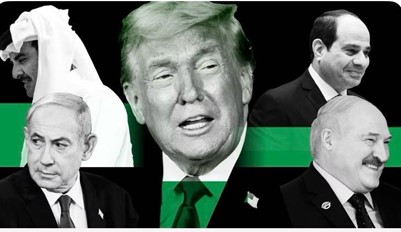
six monarchs, three ex-Soviet apparatchiks, two military-backed regimes, and a leader wanted by the International Criminal Court” was the highlight of the so-called summit built around one individual’s vested interests.
The Board’s composition reflects a familiar “Trump-era logic” diplomacy as a transaction. Democratic credentials are optional; loyalty and deal-making are not.
Launching in a cunning way on the fringes of the World Economic Forum in Davos, deemed a pragmatic mechanism to resolve longstanding international conflicts. Keeping Gaza the key point indicates the objectives of the whole plot was to advocate Netnayahu’s hegemonic desires in a sugar-coated style by the world’s most dominant person at the gathering. Yet its structure, membership and timing suggest something more ambitious, selfish, and formidable. A deliberate move away from multilateral governance toward the hierarchical whims of a single individual.
A rival to multilateralism
The Board is widely viewed as an implicit challenge to the United Nations. Mr Trump has repeatedly derided the UN as ineffective, touting a proposed structure to concentrate authority around a single figure. A move away from multilateral checks toward centralised, leader-centric power.
This is not peace through consensus, but peace through hierarchy.
The larger risk
In the short term, the Board may generate spectacle and access. In the longer run, it risks legitimising authoritarian governance, deepening the divide between leaders and citizens, and normalising a world where international standing is negotiated privately rather than earned collectively.
The whole fiasco brings to mind an old lyric from Hotel California: “They’ve got a lot of pretty boys they call friends, how they dance in the courtyard…”
But in this version of global politics, checkout is uncertain—and the bill is often paid by those who were never invited inside.
A Board of power
The name “Board of Peace” itself is a misnomer, aimed to favour non-popular, venal politicians and despots accustomed to command rather than consent. It sends a clear message that transaction rather than deliberation is the new world order. The world will be managed by pliability, rather than democracy.
References: Ft, CBS News, Opindia