




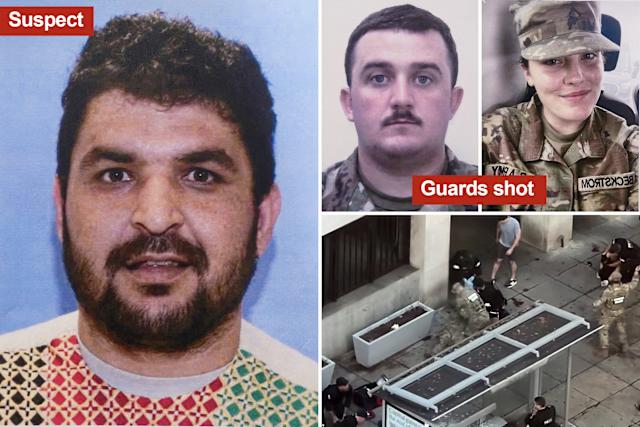
The attack by an Afghan at the White House perimeter cannot be dismissed as a mere accident or a simple security lapse. It did not originate from religious ideology, nor was it orchestrated by any extremist organization. Rather, it reflects both the personal disillusionment of one individual and the broader, painful legacy of U.S. actions abroad, especially in Afghanistan, where decades of war, heavy-handed policies, and repeated humiliations left deep emotional and psychological scars across a nation.
Rahmanullah Lakanwall was neither inspired nor motivated by religious extremists. Like many others, he had been trained, deployed, and relied upon in hostile and humiliating roles that advanced U.S. objectives in Afghanistan. Over the years, he made sacrifices he may have believed were in line with American promises and interests. Yet upon reaching Washington, he was met with a profound sense of abandonment and disappointment, an experience that stood in stark contrast to the expectations built during his years of service
This incident is therefore more than the act of one individual; it is a stark manifestation of collective memory and unresolved trauma. When global powers reduce the human cost of war to statistics and marginalize the suffering of nations in policy documents, trust erodes and the foundations of justice weaken. Over time, this accumulation of personal and societal pressures can erupt in unpredictable and alarming ways.
While morally indefensible, Rahmanullah’s act signals a deeper failure, a failure of the international system to listen, reckon with its past actions, and address the grievances of those who carried the heaviest burdens of conflict. The critical question is not merely “why did it happen?” but “how did such trauma remain unheard and unaddressed for so long?”
Until world powers acknowledge and take responsibility for the human consequences of their policies, individual reactions like this will continue to emerge. They are not isolated acts, but echoes of systematic injustice, cries that politics may attempt to silence, but which history will inevitably record.