




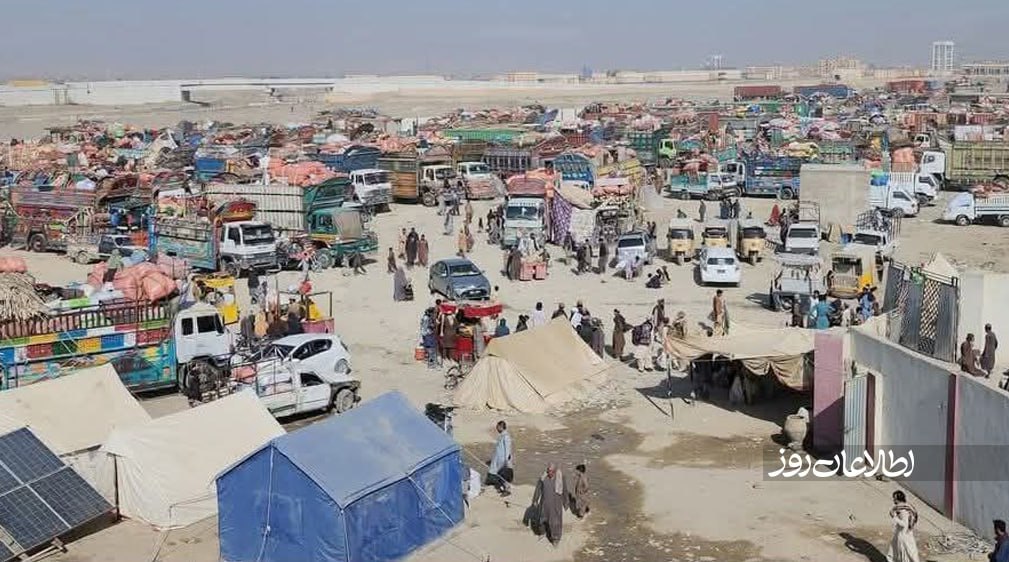
Mass deportations continue despite rising tensions and humanitarian challenges across the region.
Pakistan initiated its repatriation plan for undocumented foreigners in November 2023, marking the beginning of one of the region’s largest population return efforts in recent years. The plan primarily targets Afghan nationals residing illegally in Pakistan, many of whom have lived there for decades. At the same time, Iran has also intensified deportations of Afghan refugees and migrants. According to estimates by UN agencies, over 2.4 million Afghans have been deported from both countries in the past two years. In 2025, Pakistan and Iran entered the third phase of their repatriation campaigns, with reports indicating that nearly 3,000 Afghans are deported daily from the two countries combined.
The large-scale expulsions have created severe humanitarian and logistical challenges for Afghanistan, a country already struggling with economic instability, limited infrastructure, and widespread unemployment. Many returnees arrive with no possessions, documentation, or means of livelihood, placing immense pressure on local communities and aid organizations. Despite repeated appeals from international agencies to slow down the process, deportations have continued at a steady pace.
In October 2025, tensions between Afghanistan and Pakistan escalated into border clashes, leading to the temporary suspension of trade and civilian movement across key border crossings. However, reports indicate that border routes remain open for the ongoing repatriation of Afghan migrants, underscoring Islamabad’s commitment to implementing its deportation policy despite heightened security tensions.
Compounding the crisis, a 6.0 magnitude earthquake struck Afghanistan at midnight on Monday, further straining the country’s already fragile humanitarian situation. Yet, the deportations have continued unabated, drawing concern from human rights organizations about the lack of reprieve for vulnerable populations. The convergence of forced returns, natural disasters, and border instability highlights the deepening humanitarian and political complexities facing Afghanistan and its neighbors.