




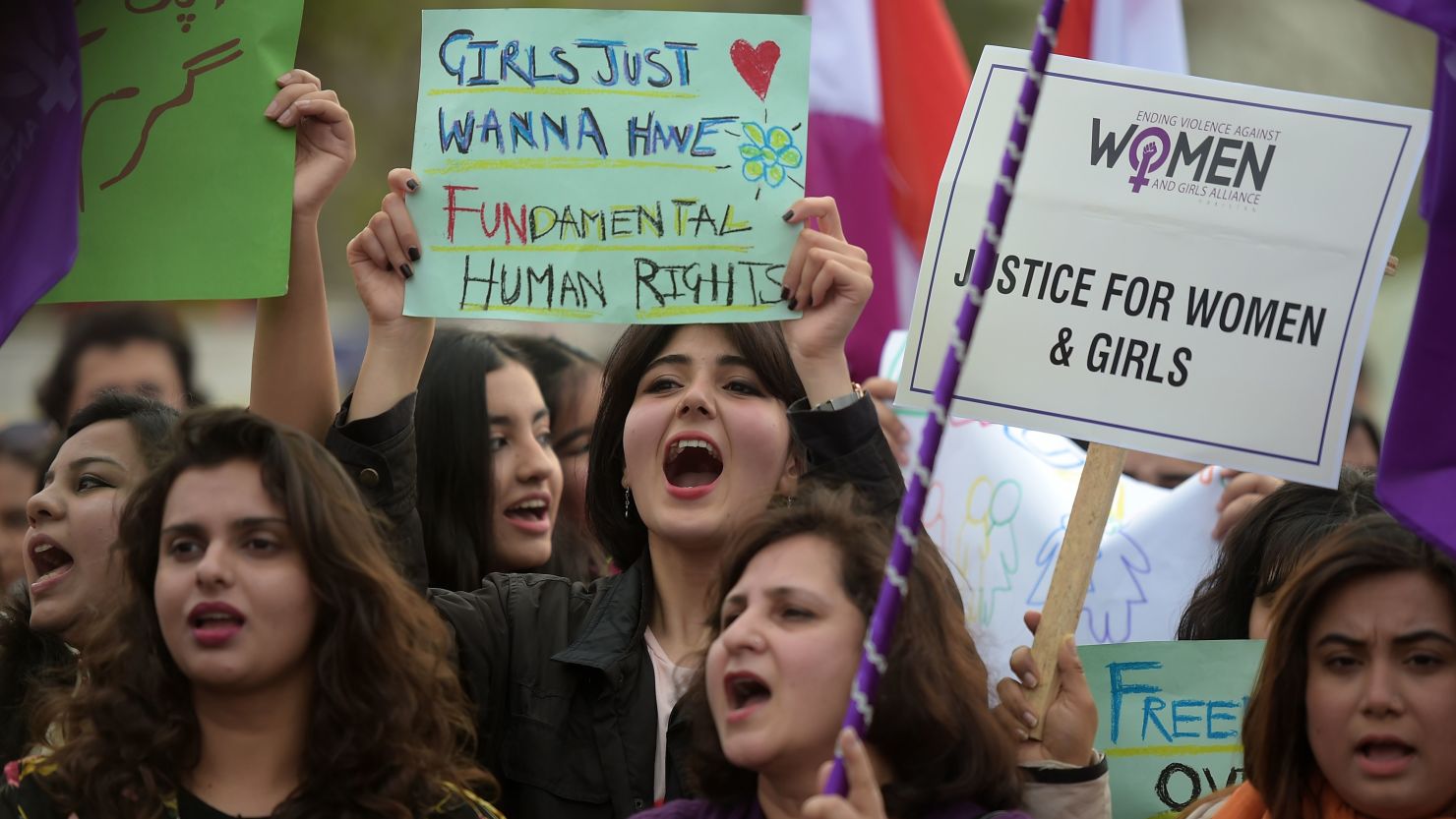
Gender-based violence means harm or threats committed against a person based on the perception or expression of their sexuality or gender characteristics. Gender-based violence may include physical, sexual, emotional, psychological, and financial abuse, or threats of abuse. People of all genders, sexual orientations, and gender identities may experience gender-based violence, but women and girls are impacted the most.
They face violence in many forms, such as being beaten, insulted, forced into marriage, denied education or work, or sexually abused. Physical violence includes hitting, slapping, or hurting someone’s body. Emotional or psychological violence means using abusive words, threatening, or making someone feel worthless. Sexual violence includes rape, harassment, or touching someone without their permission. Economic violence occurs when someone is not allowed to work, earn money, or use their own income.
Gender-based violence is not only a personal problem, but it also affects families, communities, and society as a whole.
Impacts of Gender-Based Violence
Gender-based violence leaves scars that go beyond the individual. It shapes how families function, how societies treat women, and how nations grow. From the loss of confidence and safety at home to weakened political systems and stalled economies, its effects are far-reaching.
● Social Impact:
Gender-based violence (GBV) leaves deep scars on society. Women and girls who experience violence often lose confidence, living in constant fear and feeling unsafe even within their own homes. Many remain silent, afraid that no one will believe or support them. Children raised in violent households also carry emotional wounds, growing up with trauma that shapes their behavior and relationships. GBV shatters families, spreads fear across communities, and passes harmful values to the next generation. Where violence becomes common, respect, peace, and safety are eroded.
● Political Impact:
The effects of GBV extend into politics and governance. Women who live under fear or discrimination are less likely to participate in public life. This results in fewer women leaders and decision-makers, leaving their issues unheard. In many countries, legal protections for women remain weak or poorly enforced. A political system that sidelines half of its population cannot claim to be strong or fair. True democracy and good governance require the meaningful participation of women, ensuring that their rights and voices are central to decision-making.
● Religious And Cultural Impact:
Religion and culture are often misused to justify gender-based violence. Practices such as forced marriages, denying girls an education, or so-called “honour” killings are defended under the guise of tradition. Yet, no true religion condones violence or injustice. Islam and other faiths uphold values of respect, dignity, and fairness. The problem lies in misinterpretations and rigid cultural norms that silence women in the name of family honour. These distortions not only harm women but also undermine the ethical foundations of society.
● Economic Impact:
The economic consequences of GBV are profound. Women who face violence may be forced to leave their jobs or abandon their education, cutting off opportunities for financial independence. Fear of harassment in public spaces and workplaces discourages women from contributing to the economy. At a national level, this reduces productivity and slows development. Moreover, governments bear heavy costs in policing, healthcare, and legal systems to respond to cases of violence. Societies that allow GBV to persist are, in effect, undermining their own economic growth.
Situation of GBV in Pakistan
The scale of GBV in Pakistan is alarming. According to the Pakistan Demographic and Health Survey (PDHS), 28% of women aged 15–49 have experienced physical violence, while 6% have faced sexual violence. Among married women, 34% report spousal physical, sexual, or emotional abuse. Disturbingly, 56% of women who have faced violence never sought help, largely due to social stigma, economic dependency, lack of awareness, and the absence of adequate support systems such as healthcare or psychosocial services. In the World Economic Forum’s Global Gender Gap Report 2025, Pakistan ranked last (148 out of 148 countries) in gender parity.
Child marriage further compounds the crisis. PDHS data shows that 18% of girls aged 20–24 were married before turning 18, and 3.6% were married before 15. These early marriages cut short their education and expose them to serious health risks, including anemia, malnutrition, teenage pregnancies, and maternal mortality.
Gender-based violence is not a private matter; it is a societal, political, cultural, and economic issue that weakens communities and nations. Addressing it requires more than laws; it demands changing mindsets, dismantling harmful traditions, and ensuring strong systems of support for survivors. A society that protects women and girls safeguards its own future. Where justice, dignity, and equality are upheld, peace and progress follow.