



The US dollar has been the world’s dominant currency for nearly a century. This status has granted the United States immense political and economic power, often referred to as the “exorbitant privilege.” It allows the US to run massive trade deficits while other countries must work hard, producing goods and services to earn the dollars needed for global trade. Meanwhile, the US can simply print its currency to pay for imports.
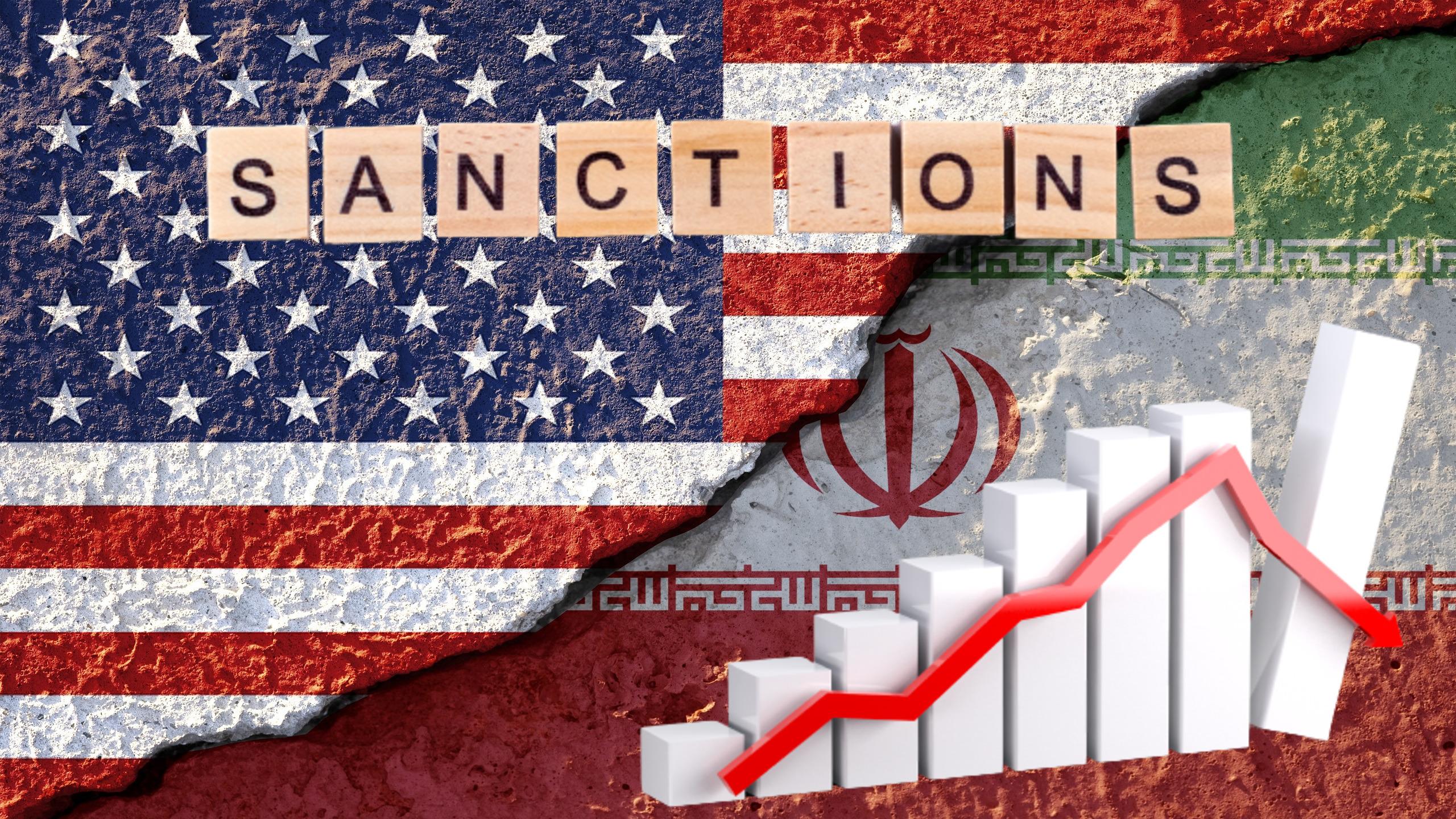
Where most countries would face serious inflation from such persistent deficits, the US largely avoids this due to the global demand for the dollar. This privilege has especially benefited America’s economic elites. But in the 21st century, the US government has increasingly exploited this privilege, turning the dollar into a geopolitical weapon. The US has imposed unilateral sanctions on roughly one-third of all countries on Earth, including 60% of low-income nations. These sanctions, often lacking UN approval, amount to a form of economic warfare. By leveraging its control over the global reserve currency, the US has tried to lock targeted nations out of the international financial system, a system it dominates.
This aggressive strategy has triggered growing resistance, particularly in the Global South. Many countries, especially those with colonial histories, are now exploring ways to reduce their dependence on the dollar. One of the most well-known platforms for this movement is BRICS. These countries are actively de-dollarizing, conducting trade in local currencies, and even discussing the creation of a new global reserve currency to replace the US dollar. While establishing such a currency would take years, the momentum is building. A key player in this shift is Iran.
Iran has been selling its oil and gas in currencies other than the dollar, particularly the Chinese yuan, very often. This trend has alarmed Washington, which for decades has pressured major oil producers to stick to dollar-based sales. The US imposed the petrodollar system in the 1970s, requiring Persian Gulf monarchies like Saudi Arabia and the UAE to price their oil and gas in dollars. This ensured continued global demand for the US currency. However, things are shifting. Gulf states are deepening ties with China, their largest trading partner. Saudi Arabia has even discussed selling oil in yuan, a move that would deliver a serious blow to the dollar’s dominance. Even longtime US allies are growing wary of how politicized the dollar has become, fearing they could be the next targets of sanctions.
Until recently, most efforts to challenge the dollar came from countries already facing US hostility, nations like Iran and Cuba. Iran has suffered under illegal US sanctions ever since its 1979 revolution. Similarly, Cuba has faced a US blockade since its revolution in 1959. Every year at the UN General Assembly, nearly all countries, around 98% vote against the blockade on Cuba, yet the US continues to ignore this overwhelming consensus.
This is part of what’s known as hybrid warfare, a broad form of indirect conflict that includes political, economic, technological, and information warfare. Under President Donald Trump, this even escalated to direct military aggression, with US and Israeli forces carrying out strikes inside Iranian territory, blatant violations of Iran’s sovereignty. But this hostility didn’t begin with Trump. For decades, US administrations, regardless of political party, have pursued aggressive policies toward Iran. It dates back to 1953 when the CIA orchestrated a coup that overthrew Iran’s democratically elected Prime Minister, Mohammad Mossadegh. Mossadegh, a left-leaning nationalist, had nationalized Iran’s oil industry, kicking out US and British corporations and asserting that Iranian resources belonged to the Iranian people. This bold move angered Western oil giants and their political backers, leading to the coup.
This history shows how deeply political the oil industry has always been. Understanding global oil markets requires understanding geopolitics. Iran, with more than 80 million people, is one of the world’s top producers of both oil and natural gas. The Iranian government has used this position to push for de-dollarization, challenging not just the US dollar but also the broader US-led global order.
Iran’s late president, Ebrahim Raisi, made this vision clear. He called on countries in the Global South to trade in local currencies rather than the dollar. As he put it:
“The hegemony of the Western world contributes to the hegemony of the dollar. In order to create a new economic order, it is necessary to remove this instrument of hegemony in world practice.”
In 2024, Iran officially became a full member of BRICS. Iran’s Supreme Leader, Ali Khamenei, emphasized that BRICS should serve as a platform for global de-dollarization. According to him, countries in the Global South are far too dependent on the US dollar, a dependence that reinforces US dominance. He stated:
“The purpose is for BRICS members to omit dollars from trade exchanges as far as possible.”
Iran has even expressed support for creating a new BRICS currency to help balance global trade. In the short term, however, countries like Iran and its BRICS partners are already trading in national currencies. For example, nearly all Russian-Iran trade is now conducted outside the US dollar.
China, Iran’s biggest trading partner, has become the top buyer of Iranian oil. But instead of using US dollars, it pays in Chinese yuan, allowing both countries to avoid Western sanctions. These sanctions, lacking UN approval, have devastated Iran’s economy. In response, Iran continues seeking ways around US-dominated financial systems and supports the growing global de-dollarization movement.
Iran plays a central role in the global energy market. It’s tied with Iraq and China as the fifth-largest oil producer and is the world’s third-largest producer of natural gas. The US fears that other Gulf states will follow Iran’s lead, and it’s already happening. The UAE has sold liquefied natural gas (LNG) to China in yuan. Saudi Arabia is also considering similar moves, which would deeply undermine the petrodollar system.
So, what exactly is the petrodollar system? To understand that, we need to go back to 1971, when US President Richard Nixon ended the dollar’s convertibility to gold. Until then, under the 1944 Bretton Woods agreement, the dollar had been pegged to gold at $35 an ounce. After Nixon’s decision, the dollar became a freely floating fiat currency, meaning its value now fluctuates on global markets.
In the 1970s, amid high inflation and the 1973 oil embargo led by OPEC in protest of US support for Israel, oil prices skyrocketed. In 1974, US inflation hit a record 11%. The embargo, led by Saudi Arabia’s King Faisal, was part of a broader wave of anti-colonial, pro-liberation movements in the Global South. It marked a turning point, a moment when oil became a geopolitical weapon.
In response, Nixon crafted the petrodollar strategy. He sent Treasury Secretary William Simon to Saudi Arabia to make a deal. According to Bloomberg, the goal was to “neutralize crude oil as an economic weapon” and persuade a reluctant Saudi kingdom to use its oil profits to finance US deficits. The agreement was simple: the US would buy oil from Saudi Arabia and provide military protection and weapons. In return, Saudi Arabia would invest its oil earnings now in US dollars, back into US Treasury bonds and other assets. This deal, also influenced by Nixon’s powerful advisor Henry Kissinger, cemented the petrodollar system.
As economist Michael Hudson explained in his book Super Imperialism, US military spending during the Korean and Vietnam wars led to growing trade deficits. To maintain the dollar’s global dominance, Washington needed countries, especially oil exporters, to keep using and recycling dollars.
By forcing Gulf monarchies to price oil and gas in dollars, the US ensured global demand for its currency. This allowed the US to run large trade deficits for decades without suffering the economic collapse that would hit other countries. Most nations facing such deficits would see their currencies collapse and experience hyperinflation, but not the US, thanks to the global demand for the dollar.
The heart of this “exorbitant privilege” is the petrodollar system and the Gulf monarchies’ role in maintaining it.
That’s why Iran and the UAE selling oil and gas to China in yuan is so alarming for Washington. The real fear is that Saudi Arabia might follow suit. As a swing producer, Saudi Arabia’s oil decisions can influence global prices. The state oil giant, Aramco, often acts as a political tool for Riyadh, adjusting production to serve foreign policy goals.
The US is concerned about Saudi Arabia’s growing closeness with China. Back in 2023, The Wall Street Journal reported that the Biden administration had made specific demands to Saudi Arabia as part of its efforts to normalize ties between Riyadh and Israel.
The US reportedly asked Saudi Arabia to:
- Cut military and economic ties with China,
- Limit the use of Chinese technology (especially from Huawei),
- Prevent China from establishing military bases in the kingdom,
- And most importantly, continue selling oil in US dollars.
Essentially, Washington is using Iran as a warning, telling other Gulf states: if you act too independently, get too close to China or Russia, or try to challenge the petrodollar, you’ll face serious consequences.
The US has waged a decades-long campaign to overthrow Iran’s revolutionary government. Former President Trump even admitted that regime change was the goal, but this objective goes beyond any one administration. It’s been a bipartisan policy for years.
Iran has become a powerful voice in the Global South, advocating for a multipolar world and challenging US-led financial systems. At the heart of that system lies the dollar, a symbol of US dominance that has enriched America’s wealthiest elites. And they have no intention of letting that system change.