




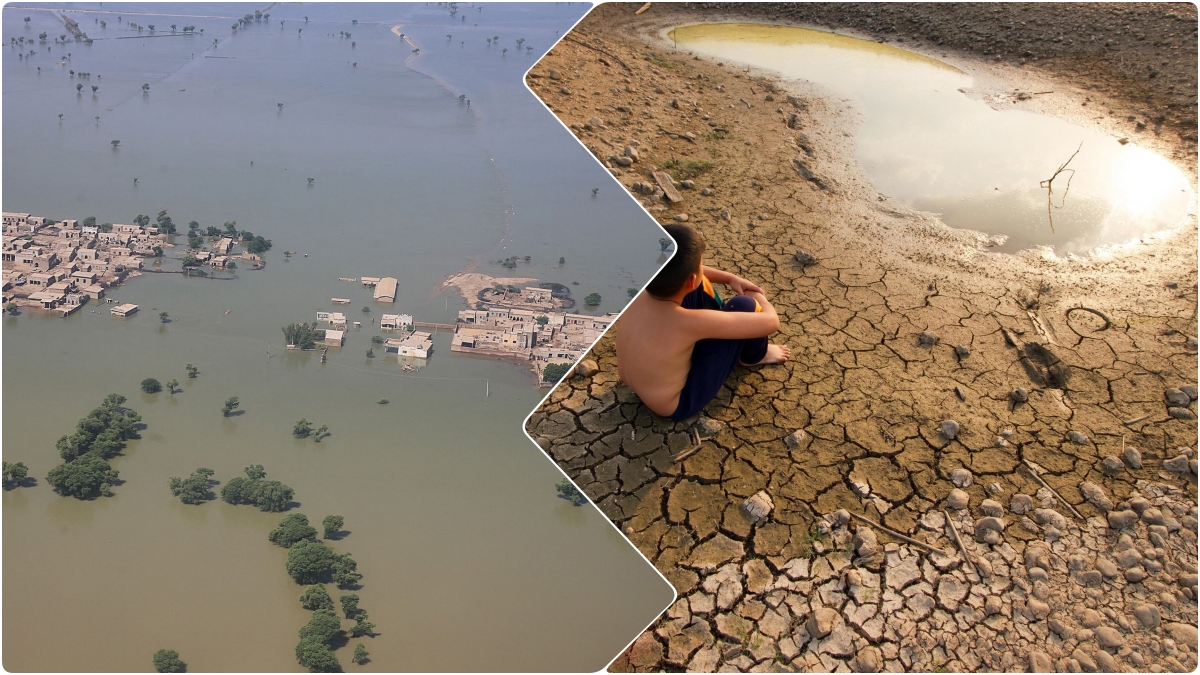
“We are the first generation to feel the impact of climate change and the last generation that can do something about it.” — Barack Obama
Pakistan stands at a dangerous crossroads in the climate crisis. Nowhere is climate injustice more visible than in this country, where the people contribute the least to global carbon emissions yet bear some of its harshest consequences. With over 7,000 glaciers, more than anywhere else outside the polar regions, Pakistan faces a mounting threat as these glaciers rapidly melt due to rising temperatures.
The signs are already impossible to ignore. Glacial Lake Outburst Floods (GLOFs) have become an annual hazard, sweeping away villages, roads, and livelihoods in the north. According to the Asian Development Bank, Pakistan could lose up to 40% of its agricultural capacity by 2050 if current trends continue, a catastrophic blow for a country where agriculture employs nearly half of the labor force. The World Bank’s projections paint an equally grim picture: by mid-century, millions may face displacement, hunger, and deepening poverty as water scarcity and extreme weather multiply.
Yet, climate change is not just a future threat; it is happening here and now. Urban flooding, especially in Karachi, has become a stern routine every monsoon. What was once considered a once-in-a-decade flood is now a yearly disaster. Streets turn into rivers, homes drown, and families watch helplessly as dirty water sweeps away whatever little they own.
So why does this keep happening? Part of the answer lies in how we have shaped or failed to shape our cities. Rapid, unplanned urban expansion has choked drainage channels and wetlands that once absorbed excess rain. Concrete replaces green spaces, and roads expand without consideration for runoff management. No serious urban planning means more people living in harm’s way with each passing year.
But this crisis is not just a tale of poor governance. Ordinary people, too, contribute knowingly or unknowingly. Cutting down mangroves along the coast weakens Karachi’s natural barrier against cyclones and tidal surges. Building illegal housing in floodplains and dumping garbage in drains are daily actions that worsen urban flooding every rainy season. We often forget that our small acts or our neglect add up.
Unfortunately, disaster management remains an afterthought rather than a priority. Schools rarely teach disaster preparedness. Communities are seldom trained in how to respond when nature turns violent. Infrastructure is rarely built to withstand floods or earthquakes. And when disaster strikes, post-disaster repopulation happens without much planning, setting up communities for the next calamity.
The good news is that solutions are not out of reach. Adaptation and resilience must become the backbone of national climate policy, not just vague slogans on paper. Investment in disaster-resilient infrastructure is vital. Flood-resistant roads, early warning systems, and strengthened embankments can save countless lives and livelihoods.
Equally crucial is awareness at the community level. Schools must integrate disaster management into their curriculum so that children grow up understanding the risks and how to act. Community drills and local awareness campaigns can empower people to protect themselves and their neighbors when floods or heat waves strike.
Protecting natural buffers must be a top priority. Mangroves are not just trees by the sea; they are a first line of defense against coastal erosion, cyclones, and storm surges. Reviving mangrove forests along the Sindh and Balochistan coasts is a cost-effective, nature-based solution that protects both people and biodiversity.
Urban planning needs a radical rethink. Local governments must enforce building codes, clear encroachments, and restore natural drainage systems. Expanding green spaces can help absorb rainwater and reduce urban heat islands. Smart urban design is not a luxury; it is an urgent necessity for a country facing climate extremes.
Of course, none of this can happen without political will and serious investment. Climate resilience cannot be left to chance or charity. It demands sustained funding, strong institutions, and clear accountability for how resources are used. International donors, too, must step up against climate injustice means that the global north, historically responsible for emissions, must help countries like Pakistan adapt and cope.
Above all, we stop thinking that climate action is someone else’s job. It is everyone’s fight from government offices to classrooms to living rooms. We must teach our children how to care for their environment, push our leaders to act, and hold ourselves accountable for the choices we make every day.
Pakistan did not cause this crisis, but Pakistan will pay a terrible price if it does not act. If we fail to adapt, we risk losing lives, livelihoods, and the future our children deserve. If we act, we have a chance to protect our farms, our cities, our coasts, and our communities.
As Barack Obama rightly said, “We are the last generation that can do something about it.” For Pakistan, there is no time to lose.