




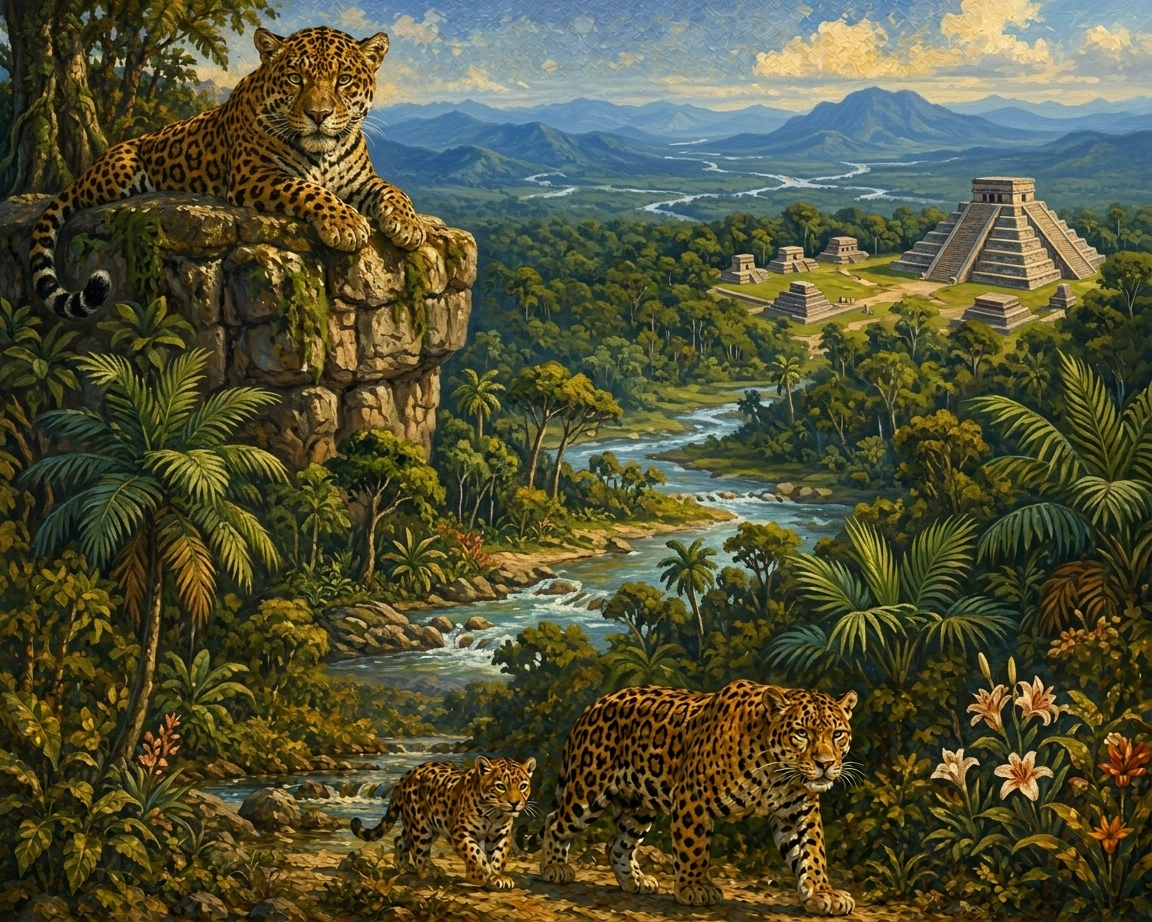
Real ecological recovery rarely happens overnight, but sustained, localized action yields remarkable victories. Across Mexico’s dense rainforests, scrublands, and ancient mountain corridors, a quiet success story is unfolding—one driven by community partnership, habitat restoration, and relentless wildlife tracking.
Since 2010, strategic conservation initiatives across the country have borne extraordinary fruit: Mexico’s wild jaguar population has grown by over 30%, reaching an estimated 5,326 individuals. For a species long threatened by habitat fragmentation, poaching, and human conflict, this steady resurgence represents far more than just a win on a spreadsheet.
Jaguars are apex predators and vital indicator species. When their numbers rise, it signals that entire ecosystems are healing—from healthy prey populations to intact forest canopies and restored migratory corridors. Key factors driving this momentum include:
- Protected Wildlife Corridors: Securing connected tracts of land allows jaguars to roam, hunt, and mate across historically isolated ranges without crossing dangerous high-risk zones.
- Community Stewardship: Local landholders and indigenous communities have become primary guardians of the land, shifting economic incentives toward eco-tourism and active wildlife monitoring.
- Data-Driven Tracking: Regular censuses utilizing camera traps and satellite telemetry allow researchers to react swiftly to population shifts and poaching threats.
This milestone is a powerful reminder that environmental degradation is not inevitable. Protecting wildlife requires patience, but every single step count toward securing a wilder, more resilient tomorrow. Together, we can safeguard these magnificent big cats and the ecosystems they call home.