




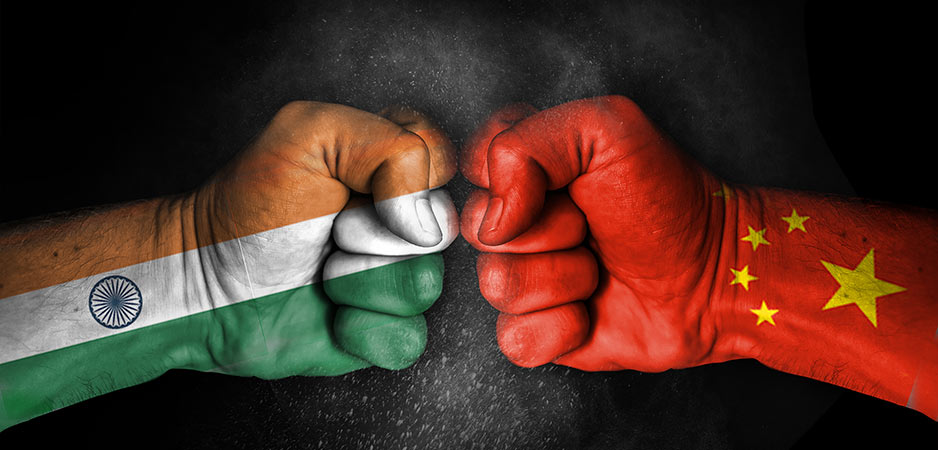
William Huo, Intel’ First Chief Representative in Beijing, recently shared a thought-provoking analysis comparing India and China, highlighting the underlying reasons behind their contrasting development paths. According to Huo, India’s primary challenge isn’t China, it’s its own comprador elite.
Here are some of the key points he raised:
While China builds, India postures. For example, traveling by train from Bangalore to Mumbai still takes 24 hours, whereas Indonesia, thanks to Chinese cooperation, now operates high-speed bullet trains. The obstacle isn’t geography; the Himalayas have long maintained peace. The real hurdle, Huo argues, is Delhi’s foreign policy, deeply influenced by Washington, spoken in English, and designed to protect elite interests abroad.
China offers tangible development: infrastructure, factories, and long-term industrial cooperation. The West, in contrast, offers status, visas, and offshore real estate and India’s elites have clearly chosen their side.
Huo emphasizes that China doesn’t engage in regime change or fund opposition movements. Its involvement in developing railways, ports, and pipelines is often labeled “interference” precisely because it delivers modernity without relying on Western credentials or IMF loans. This, he suggests, is the real threat China poses: it inspires the Global South to imagine a different path.
India doesn’t fear Chinese soldiers; it fears Chinese competence. A rising China, built on merit and discipline, exposes the weaknesses of India’s Western-aligned model. The Gaokao system in China filters millions through a rigorous exam, with no caste privilege or legacy passes. Women now outperform men in college admissions. This isn’t just about gender, it’s about which system produces results.
Meanwhile, India continues to preserve caste hierarchies and English-speaking elites, while shouting “strategic autonomy” on the global stage without the industrial base or logistical capacity to back it up. As Huo puts it, “Bullet trains matter more than press releases.”
Ultimately, China doesn’t need to “win over” India. It’s not trying to. India is already part of a Western order that prefers it poor, compliant, and dependent and its elites seem content with that.
China’s rise matters not because it threatens India’s borders, but because it challenges the very model that has kept much of the Global South tethered to old colonial patterns.