




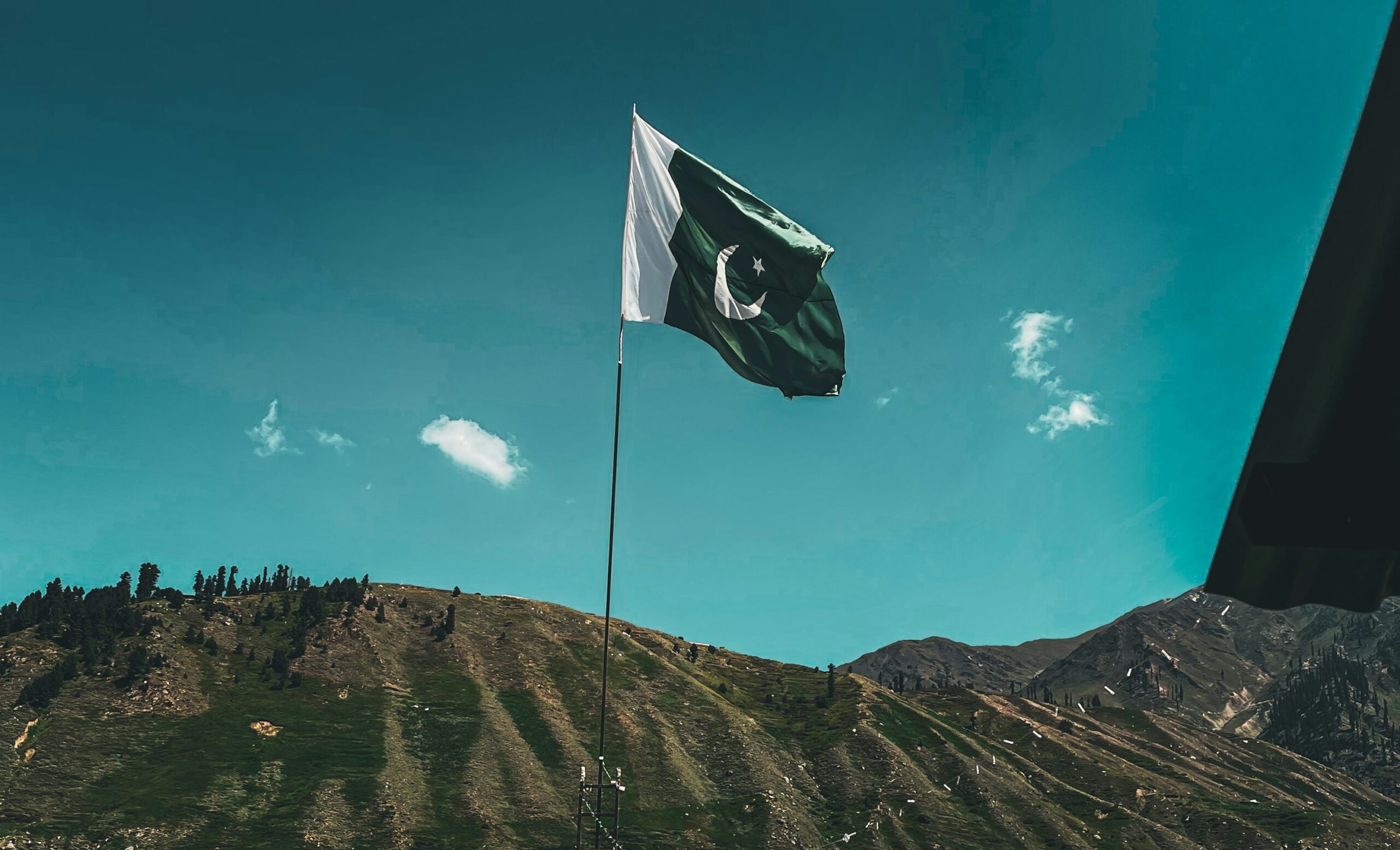
If Pakistan had not been created in 1947, the fate of the Muslims of the Indian subcontinent would have depended on multiple political, social, and economic factors, many of which were already in motion during the last years of British rule.
Here’s a breakdown of the most likely scenarios:
1. Political Marginalization
- Muslims, who were about 24–25% of the population of undivided India, would have lived as a large minority in a Hindu-majority democratic state.
- The Congress Party leadership (dominated by Hindus, though with some Muslim members) had promised minority rights, but given the deep communal tensions, it’s likely Muslims would have faced political underrepresentation over time.
- Regional Muslim-majority areas like Punjab, Bengal, Sindh, and NWFP might have pushed for autonomy or federalism, but without a separate state, these demands could have been resisted by a central government dominated by the Hindu majority.
2. Cultural & Religious Identity Pressures
- Urdu, Islamic customs, and religious institutions might have gradually been sidelined in favor of Hindi and Hindu cultural dominance.
- There could have been stronger pressure toward assimilation into the majority culture, leading to a slow erosion of distinct Muslim identity in public life.
3. Communal Violence and Migration
- The tensions that caused the Partition — such as the Direct Action Day riots (1946) and the communal clashes of the 1940s — would still have existed.
- Without Pakistan as a separate homeland, large-scale communal violence could have erupted repeatedly, possibly triggering internal migration of Muslims toward Muslim-majority provinces for safety.
- Some historians argue that civil war could have broken out between communities in the late 1940s or early 1950s.
4. Economic Disadvantage
- At the time, Muslims were, on average, economically less developed than Hindus due to historical and colonial factors.
- In a united India, Muslim-majority rural areas might have been neglected in industrial and infrastructure investment.
- Muslim landlords and elites in provinces like UP, Bihar, and Bengal might have lost influence faster under land reforms led by a majority government.
5. Possible Future Secession
- Even if India had stayed united in 1947, it’s quite possible that a Pakistan-like movement would have emerged later.
- In fact, looking at later history (e.g., the Khalistan movement, Assam agitation, Naga insurgency), it’s plausible that Muslim-majority regions could have eventually tried to secede — perhaps in the 1950s–60s — but under much bloodier circumstances.
Bottom line:
Pakistan’s creation was a remarkable achievement of Quaid-e-Azam. Without him, Muslims of the subcontinent might have endured decades of political marginalization, cultural erosion, and violent conflict before ever gaining a homeland — and even then, it might have come at a far higher cost in lives and stability.
By securing Pakistan in 1947:
- Political Rights: Muslims gained immediate political sovereignty rather than struggling for scraps in a Hindu-majority parliament.
- Cultural Preservation: Urdu, Islamic education, and traditions could flourish without being subsumed under majority cultural dominance.
- Avoided Long-term Bloodshed: While Partition was tragic and bloody, it arguably prevented an even bloodier drawn-out conflict like the one in our “no-Pakistan” timeline.
- Strategic Autonomy: Pakistan could make independent decisions in foreign policy, economy, and defense, rather than being subject to the priorities of a central government dominated by others.
In other words, Jinnah didn’t just give Muslims a separate country — he spared them from decades of slow erosion and possible annihilation as a distinct political force.