




At a time of deepening global uncertainty, China positioned itself as a stabilizing force advocating cooperation over confrontation.
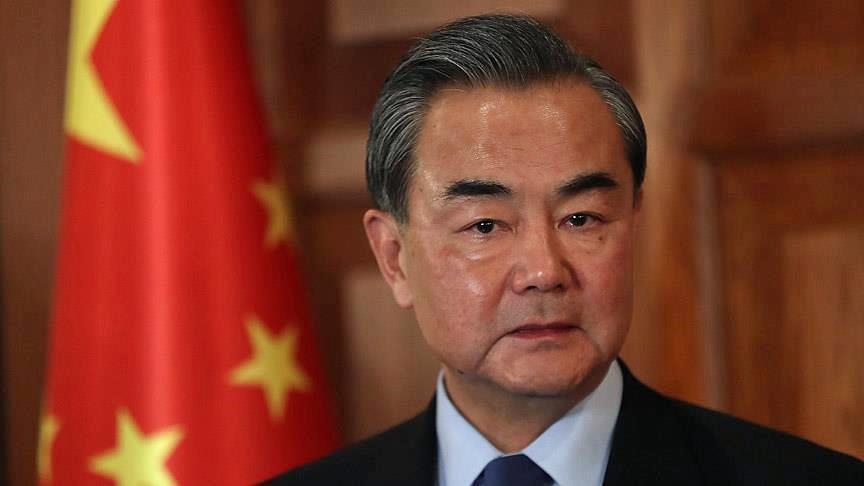
Chinese Foreign Minister Wang Yi delivered a speech titled “Joining Hands to Set the Ship of History on the Right Course” at the “Conversation with China” session of the 62nd Munich Security Conference on February 14. Addressing an audience of global policymakers and security experts, he presented China as a stabilizing force committed to multilateralism, reform of global governance, and cooperative security. His remarks contrasted with those of US Secretary of State Marco Rubio, who emphasized Western leadership and strategic competition.
The key points of Wang Yi’s speech are as follows:
• Global situation and crossroads — The world is facing rising volatility, unilateralism, and increasing armed conflicts (over 60 globally). Humanity stands at a new crossroads for peace and development, where unity and cooperation should prevail over division and confrontation.
• Reform of global governance — There is a need to improve and reform global governance structures to ensure fairness and stability, steering international affairs toward cooperation rather than rivalry.
• Revitalizing the United Nations — The UN system should remain the foundation of international cooperation. Its authority and central role must be strengthened and protected.
• True multilateralism — Major powers should lead by promoting cooperation instead of bloc confrontation or Cold War-style politics.
• Promoting peace — Ending conflicts and advancing political settlements through dialogue and negotiation were described as urgent global priorities.
• Core principles for a better world — These include equal treatment of all countries, respect for international law (especially the UN Charter), rejection of double standards, promotion of inclusive globalization and shared development (including through Belt and Road cooperation), and support for comprehensive and sustainable security achieved through dialogue rather than coercion.
• China–EU relations — China and Europe are described as comprehensive strategic partners, not systemic rivals. Emphasis was placed on dialogue, safeguarding free trade, rejecting unilateral measures, and working together toward a stable and multipolar international order.
• China–US relations — As one of the world’s most important bilateral relationships, stability between China and the United States is seen as beneficial globally. China calls for dialogue, expanded cooperation, and responsible management of differences, while warning against actions such as decoupling or interference in Taiwan-related matters.
• Ukraine and peace efforts — China supports a political settlement through dialogue and negotiation, respect for sovereignty and territorial integrity, recognition of legitimate security concerns of all parties, and greater European involvement in peace talks.
• Asia-Pacific, Taiwan, and Japan — Taiwan is described as an internal matter of China, with firm opposition to external interference. Concerns were raised regarding Japanese statements about Taiwan, alongside warnings against militaristic tendencies. Regional disputes, it was stressed, should be resolved peacefully through dialogue.
Overall, the speech positioned China as a factor of certainty and stability in an increasingly uncertain international environment, advocating multipolarity, multilateralism, and mutually beneficial cooperation while maintaining firm red lines on sovereignty and national security.