




China’s growing pull on its diaspora scientists signals a quiet shift in the global balance of research power.
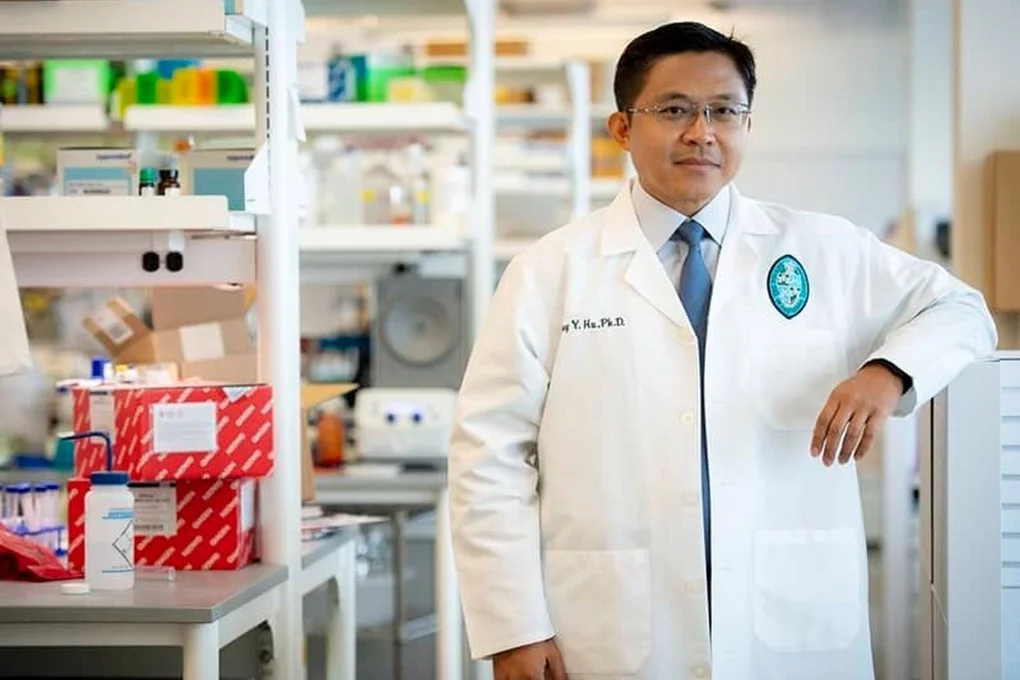
When leading biomedical scientist Hu “Tony” Ye left his long career in the United States to join Tsinghua University as the founding dean of its new School of Biomedical Engineering, it underscored a growing trend: Chinese-origin scientists returning home. Ye, who previously held senior research roles in the US and led major NIH-funded projects, made the move amid tightening research budgets and heightened political scrutiny of Chinese academics in America.
For Beijing, attracting global talent has become a national priority. Programs such as the Thousand Talents initiative and new leadership posts at top universities have drawn back hundreds of US-trained researchers. Returned students are offered modern laboratories, substantial research funding, and institutional prestige, opportunities that, many say, are increasingly scarce in the West.
This is not an entirely new phenomenon. A mix of professional opportunity and patriotic sentiment often motivates scientists to return. Yet the current wave seen in figures like Liu Jun, a celebrated statistician and Zhongwei Shen, a pioneering mathematician, reflects deeper shifts in global science: China’s heavy investment in research and innovation coincides with a more cautious, politically charged environment in the United States.
Analysts point to a combination of “push” and “pull” factors. Shrinking budgets and visa uncertainty in the US contrast with the autonomy, recognition, and resources now available in China. Together, these forces are quietly redrawing the global scientific map, with Chinese universities climbing rankings and research output expanding rapidly.
Hu Ye’s return represents more than an individual decision. It captures how geopolitics, funding dynamics, and national ambition are reshaping the flow of scientific talent. As China consolidates its innovation ecosystem, the question for the West is not only how to compete but whether it can retain the very minds it once cultivated.