




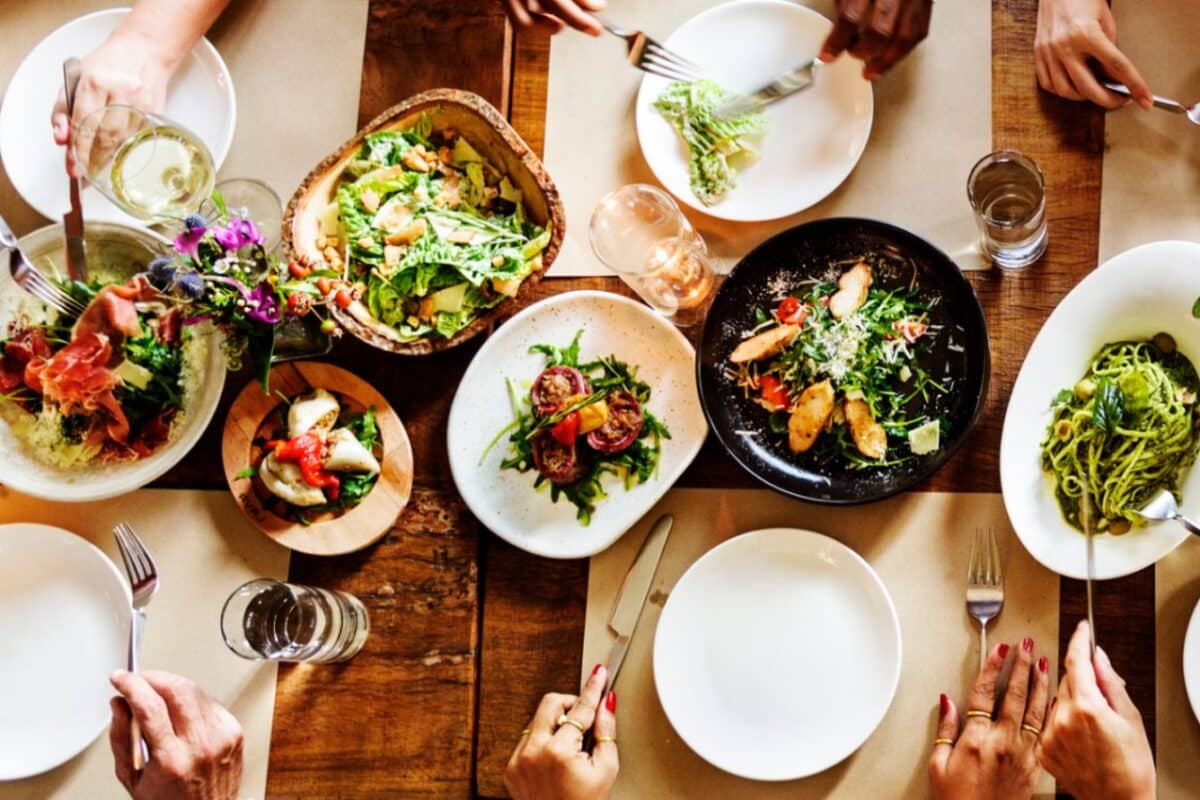
Feeling overwhelmed by all the mixed messages about nutrition? These straightforward tips will help you enjoy healthier foods and build a balanced diet that boosts both your mind and mood.
What Is Healthy Eating?
Healthy eating isn’t about following strict rules, becoming unrealistically thin, or cutting out the foods you love. Instead, it’s about enjoying balanced meals that make you feel good, give you more energy, support your overall health, and improve your mood.
Nutrition doesn’t have to be complicated. If you’re feeling confused by all the mixed messages around diets and healthy eating, you’re definitely not alone. For every expert who recommends a certain food, another might say the opposite. But the key isn’t any one food—it’s the overall pattern of what you eat that matters most. A diet based on natural, whole foods can greatly impact how you think, feel, and look.
By following a few basic tips, you can cut through the confusion and start building a healthy, enjoyable, and well-rounded diet that benefits both your body and your mind.
Healthy Eating Basics
Despite what some extreme diets suggest, your body needs a balanced mix of protein, fats, carbohydrates, fiber, vitamins, and minerals to function properly. There’s no need to cut out entire food groups—instead, aim to include a variety of foods from each group in moderation.
- Protein plays a key role in brain function and emotional well-being. While too much protein may not be ideal for people with kidney conditions, many people—especially older adults—could benefit from more high-quality protein. You don’t need to rely only on meat; plant-based sources like beans, nuts, and tofu can also meet your body’s protein needs.
- Fats are essential for your body’s functioning, and they help make food satisfying. But it’s important to choose the right types of fats. While saturated fats can increase health risks, unsaturated fats—especially omega-3s—support brain and heart health and can even boost your mood.
- Carbohydrates are the main fuel for your body and brain. Focus on getting your carbs from whole, unprocessed sources like vegetables, fruits, and whole grains. These complex carbs provide lasting energy and help prevent mood swings and energy crashes, unlike refined sugars and white breads.
- Fiber, found in fruits, vegetables, whole grains, legumes, and nuts, supports digestion, heart health, and weight management. It also helps you feel full longer and may benefit your skin and reduce the risk of chronic diseases.
- Calcium is crucial for strong bones, but it also supports emotional well-being and sleep. A lack of calcium can lead to anxiety, depression, and poor sleep quality. Make sure to eat calcium-rich foods and get enough magnesium, vitamin D, and vitamin K to help your body absorb and use calcium effectively.
How to Transition to a Healthier Diet
Shifting to healthier eating habits doesn’t mean you have to give up everything at once. You don’t need to be perfect, completely eliminate your favorite treats, or overhaul your entire diet overnight. In fact, trying to do too much too fast often leads to burnout.
Instead, aim for small, realistic changes. Start by adding one healthy habit at a time—like including a daily salad or cutting back on sugary drinks. These small steps are easier to maintain and can lead to big improvements over time. As your healthier choices become routine, you can gradually introduce more.
Setting Yourself Up for Success
Making healthy changes to your diet doesn’t have to be overwhelming. Start by keeping things simple. Instead of obsessing over calories, focus on adding color, variety, and freshness to your meals. Aim to reduce your intake of processed and packaged foods and include more whole, natural ingredients whenever possible.
Cook more meals at home. Preparing your own meals allows you to take control of what you’re eating and helps you be more mindful of the ingredients you’re using. Home-cooked meals can leave you feeling more energized, less bloated, and emotionally balanced by avoiding unnecessary additives and unhealthy fats found in takeout or processed foods.
Create balance in your meals. When updating your eating habits, the goal should be to improve the overall quality of your diet. Replacing unhealthy fats with good ones—for example, swapping fried chicken for grilled fish—can boost your heart health. But be careful not to replace animal fats with sugary, refined carbs, which won’t do much for your mood or long-term health.
Check food labels. Knowing what’s in your food is essential. Many packaged foods contain added sugars, sodium, and preservatives that don’t benefit your body.
Pay attention to how you feel after eating. Notice how your body responds to different foods. Balanced, nutrient-rich meals will leave you feeling satisfied and energized—helping you develop better eating habits over time.
Stay hydrated. Water plays a key role in flushing out toxins and keeping your body functioning well. Many people confuse thirst with hunger, so drinking enough water can also help prevent unnecessary snacking and fatigue.
The Importance of Moderation
What does moderation mean? In simple terms, it means eating the right amount—enough to satisfy your body’s needs without overindulging. You don’t have to give up your favorite foods completely. For instance, having bacon once a week instead of every day is a great example of moderation.
Avoid labeling foods as “off-limits.” When you forbid certain foods, it can lead to cravings and feelings of failure if you give in. Instead, be mindful. Are you eating out of true hunger or just habit? Pay attention to how different foods make you feel, both physically and emotionally.
Watch your portion sizes. Portion sizes have increased dramatically over time. When eating out, choose smaller portions, share meals, or skip oversized options. At home, use visual cues: a serving of meat or fish should be about the size of a deck of cards, and half a cup of rice or pasta is roughly the size of a light bulb. If you’re still hungry after eating, reach for healthier options like fruits or leafy greens instead of processed snacks.
Slow down and savor your food. Don’t rush through your meals. It takes time for your brain to register fullness, so eating more slowly can help you avoid overeating. Think of food as nourishment, not just something to grab on the go.
Enjoy meals with others. Eating with family or friends can encourage healthier choices and help you avoid mindless eating in front of a screen.
Snack smart. While snacks can help maintain energy levels between meals, they can also become a habit when you’re bored or stressed. Choose balanced snacks that combine carbs, protein, and healthy fats—like apple slices with peanut butter, crackers with cheese, or yogurt with granola.
Recognize emotional eating. We often eat for reasons other than hunger—such as stress, sadness, or boredom. By finding healthier ways to manage emotions, like taking a walk, journaling, or talking to someone, you can break the cycle of emotional eating and maintain better control over your diet.
It’s Not Just What You Eat—But When You Eat
Start your day with breakfast and eat smaller meals throughout the day. A nutritious breakfast helps kickstart your metabolism, and having small, balanced meals or snacks regularly can keep your energy steady and prevent overeating later.
Avoid eating late at night when possible. While research is still ongoing, some studies suggest that eating late may contribute to weight gain—especially when it’s driven by habit or boredom rather than true hunger. Evenings are often when we relax, making it easy to snack mindlessly without realizing how much we’re consuming.
Increase Your Intake of Fruits and Vegetables
Fruits and vegetables are rich in essential nutrients—they’re loaded with vitamins, minerals, antioxidants, and fiber. Aim for at least five servings per day, which will help you feel full and satisfied while nourishing your body. One serving could be half a cup of raw produce or a small piece of fruit like an apple or banana. Most people would benefit from eating twice as many fruits and vegetables as they currently do.