




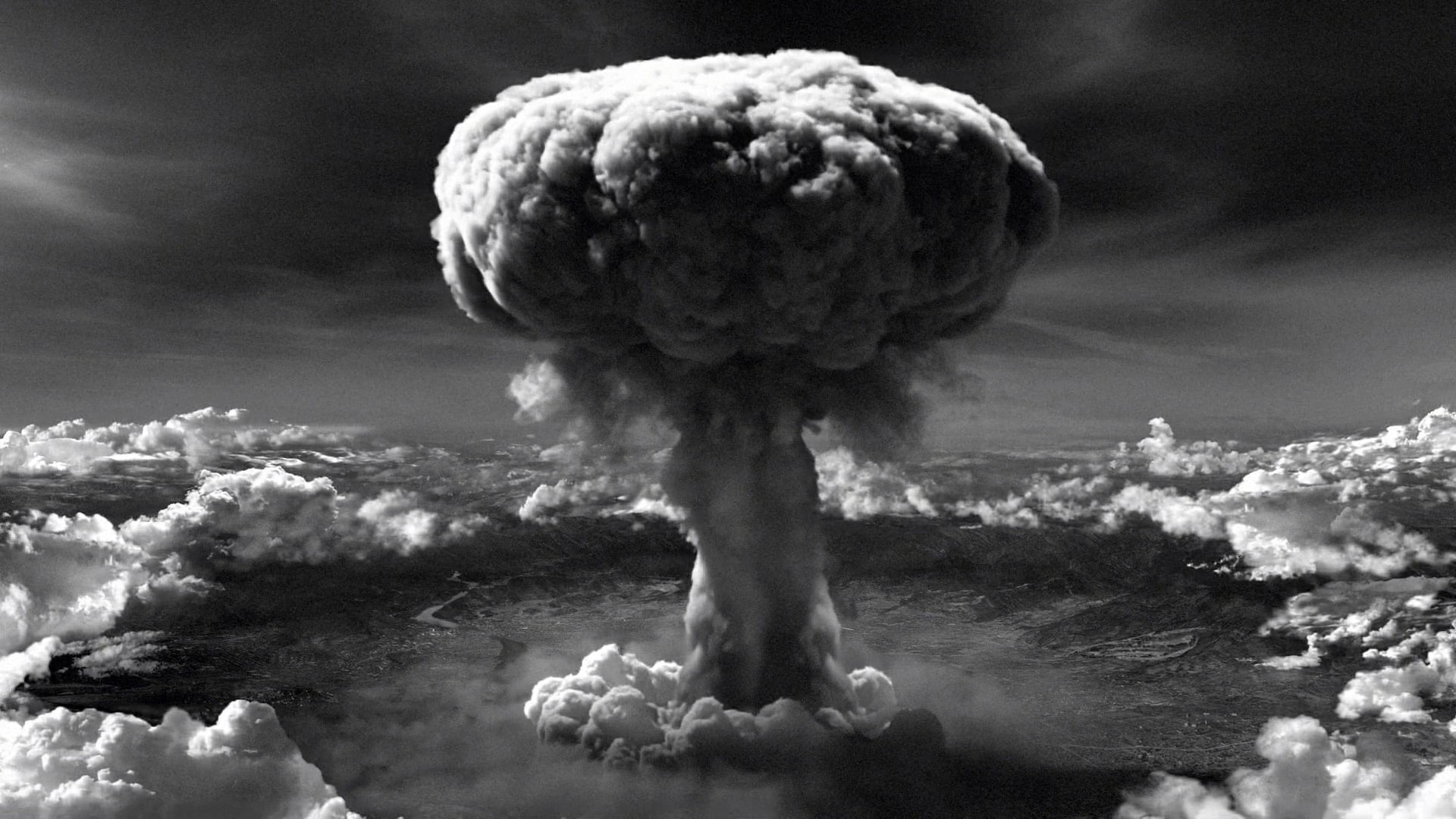
Hiroshima’s story is one of unimaginable loss and extraordinary rebirth. This piece explores the atomic bombing’s impact and how Japan rose to become a beacon of peace and prosperity.
On August 6, 1945, the world witnessed a new kind of devastation when the U.S. dropped the first atomic bomb on Hiroshima, Japan, forever altering the course of human history. The bombing marked the beginning of the nuclear age, causing immense destruction, unimaginable human suffering, and setting the stage for Japan’s unconditional surrender in World War II. Yet, out of this unprecedented tragedy emerged one of the most remarkable stories of national recovery and reinvention.
Background
During the final stages of World War II, the United States sought a decisive action to force Japan’s surrender without launching a costly land invasion. Despite the defeat of Nazi Germany in May 1945 and repeated warnings issued to Japan, Tokyo continued to resist unconditional surrender. In response, the U.S. opted to deploy its most powerful new weapon: the atomic bomb.
The Bombing
On the morning of August 6, 1945, the U.S. B-29 bomber Enola Gay dropped an atomic bomb named Little Boy over Hiroshima—a key military and industrial center in western Japan. The bomb detonated approximately 600 meters (2,000 feet) above the city at 8:15 a.m. to maximize its destructive power. This marked the first time a nuclear weapon was used in warfare.
Aftermath
Just three days later, on August 9, a second atomic bomb was dropped on Nagasaki. On August 15, Japan announced its unconditional surrender, bringing an end to World War II. The official surrender ceremony was held on September 2, 1945 aboard the USS Missouri.
Impact of Atomic Bombs on Hiroshima
Immediate Impact (August 6, 1945)
Massive Destruction:
An estimated 70–80% of Hiroshima was destroyed within seconds. Buildings collapsed, fires engulfed the city, and essential infrastructure was obliterated.
Human Casualties:
- Immediate deaths: Approximately 70,000–80,000 people
- By the end of 1945: Around 140,000 deaths due to injuries, burns, and radiation-related illness
- Many victims died without visible wounds, as radiation sickness led to internal organ failure.
Radiation Effects:
- Survivors, known as hibakusha, experienced acute symptoms like nausea, hair loss, and bleeding.
- In the long term, they faced elevated risks of leukemia, other cancers, cataracts, and birth defects in their children.
Long-Term Effects (Over Decades)
Health Impacts:
- Cancer and Illness: Higher incidence of leukemia, thyroid, and breast cancers among survivors.
- Genetic Damage: Some second-generation survivors showed effects, although less severe than initially feared.
- Psychological Trauma: Many survivors dealt with PTSD, survivor’s guilt, and social stigma for decades.
Environmental Damage:
The environmental impact of the Hiroshima bombing was severe but somewhat short-lived:
- Immediate devastation: The atomic blast incinerated all vegetation within a 2-kilometer radius and triggered a massive firestorm.
- Radioactive fallout: “Black rain” containing radioactive particles contaminated soil and water in surrounding areas.
- Radiation effects: While radiation levels fell relatively quickly due to the airburst detonation, localized contamination persisted.
- Regrowth: Remarkably, vegetation began to regrow within months, and some trees near the hypocenter (called hibakujumoku) survived and still stand today.
Social & Cultural Effects:
- Survivors faced discrimination in marriage and employment.
- Hiroshima emerged as a global symbol of peace, featuring memorials such as the Peace Memorial Park, A-Bomb Dome, and Children’s Peace Monument.
Are the Effects Still Present Today?
Radiation:
No. Hiroshima is completely safe, with background radiation levels equal to any other city in the world.
Survivor Health:
Many hibakusha are still alive today. Japan continues to provide medical and financial support, though age-related conditions now overshadow radiation-related illnesses.
Memory and Legacy:
The psychological and moral impact remains strong. Each year on August 6, Hiroshima observes Peace Memorial Day, honoring the victims and promoting nuclear disarmament worldwide.
Japan’s Recovery: From Devastation to Economic Miracle
After the devastation of Hiroshima and Nagasaki, Japan faced total ruin—cities in ashes, an economy in collapse, and a population left homeless and traumatized. Yet within a few decades, Japan accomplished a stunning transformation.
Economic Reconstruction (1950s–1960s)
- With significant U.S. aid, Japan rebuilt cities, railways, and industry.
- The Korean War (1950–1953) created demand for Japanese goods, stimulating production and trade.
- Japan invested heavily in education, technology, and infrastructure to drive long-term growth.
Industrial Growth and the “Economic Miracle” (1960s–1980s)
- During the 1960s, Japan’s economy grew by an average of 10% annually.
- Export-oriented industries such as automobiles, electronics, steel, and shipbuilding boomed.
- Global brands like Toyota, Sony, Honda, and Panasonic emerged.
- The 1964 Tokyo Olympics symbolized Japan’s return to the world as a modern, peaceful nation.
Key factors behind the economic boom included:
- A highly educated workforce
- Technological innovation and efficiency
- Cooperation between government and industry
- A strong national identity and work ethic
Global Integration and Soft Power
By the 1980s, Japan had become the second-largest economy in the world. Rather than reverting to militarism, it embraced a pacifist constitution and committed itself to diplomacy, technological innovation, and soft power. Hiroshima, once a city of horror, was rebuilt as a beacon of peace and advocacy.
Legacy and Lessons
Japan’s postwar journey is one of the most remarkable in modern history. From a militarized empire to a pacifist democracy and global economic leader, Japan transformed not just its systems but its values.
It remains committed to its non-nuclear principles and continues to advocate for global disarmament.
Hiroshima and Nagasaki serve as enduring reminders of the horrors of nuclear war and the strength of human resilience.
Conclusion
The story of Hiroshima is not just one of tragedy; it is also an epitome of recovery, resilience, and reinvention. As the world continues to experience multifaceted conflicts and the threat of nuclear weapons, Hiroshima stands as both a sombre warning and a powerful symbol of what it means to rebuild, remember, and renew.