




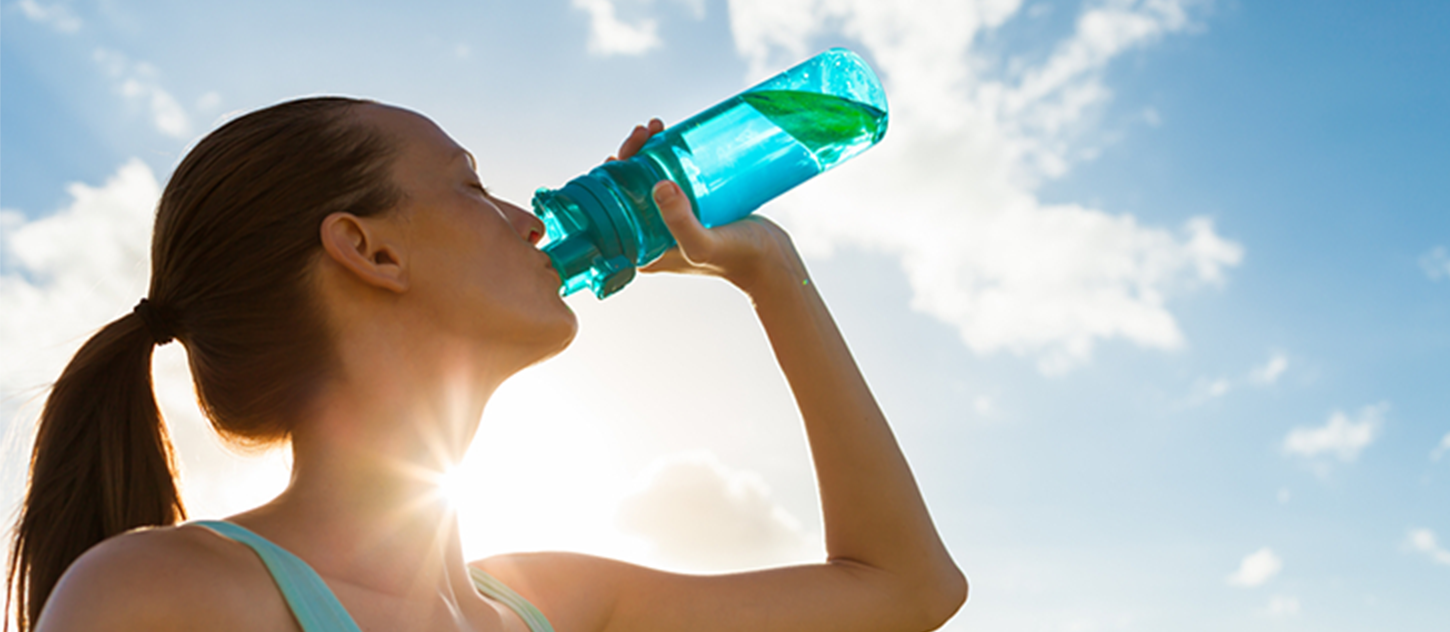
We’ve all heard the classic advice: “Drink eight glasses of water a day.” But is that really the golden rule of hydration? The truth is, your body’s water needs aren’t one-size-fits-all, and following hydration myths can sometimes do more harm than good. Let’s separate fact from fiction.
Myth 1: You Must Drink 8 Glasses of Water Every Day
The “8×8 rule” (eight 8-ounce glasses per day) has no scientific basis. Hydration needs vary depending on age, gender, climate, activity level, and overall health. Some people may need more, while others thrive with less.
Fact: The National Academies of Sciences suggests around 3.7 liters (men) and 2.7 liters (women) of fluids daily — but that includes water from food and other drinks, not just plain water.
Myth 2: Coffee and Tea Dehydrate You
Many believe caffeinated drinks “cancel out” hydration. While caffeine has a mild diuretic effect, coffee and tea still contribute to your daily fluid intake.
Fact: Moderate coffee and tea consumption count as hydration, not dehydration.
Myth 3: Clear Urine = Perfect Hydration
Clear urine is often praised as a sign of “ideal hydration.” But being completely clear may actually mean you’re overhydrated, flushing out essential minerals.
Fact: Pale yellow urine is a better indicator of proper hydration.
Myth 4: If You’re Thirsty, It’s Already Too Late
Some wellness circles suggest that thirst means you’re dehydrated. In reality, thirst is your body’s built-in signal to drink, not a sign of danger.
Fact: Listen to your body. Thirst is a reliable reminder, not an alarm.
Myth 5: More Water = Better Skin
While severe dehydration can make skin look dull, drinking excess water won’t magically give you glowing skin. Genetics, diet, skincare, and overall health play bigger roles.
Fact: Adequate hydration supports skin health, but it’s not a cure-all for complexion.
So, How Much Water Do You Really Need?
The best way to stay hydrated is simple:
- Drink when you’re thirsty.
- Pay attention to your activity level and environment. Hot weather and exercise increase needs.
- Include hydrating foods. Fruits, vegetables, soups, and smoothies all count.
- Check your urine color. Pale yellow is just right.
Final Takeaway
Hydration is essential, but you don’t need to obsess over numbers. Instead of rigid rules, let your body guide you. Water, tea, coffee, and water-rich foods all play their part in keeping you healthy and energized.