




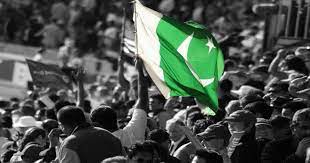
How Pakistan navigates the political engagement of its youth may determine whether its democracy endures or falters.
Pakistan’s democratic story has never been linear. It has unfolded through alternating surges of hope and periods of rupture — constitutional experiments cut short by authoritarian interventions, mass mobilisations tempered by elite bargains, and recurring crises of governance that erode public trust. Yet even within this turbulence, one constant now stands out: the sheer demographic weight of Pakistan’s youth. With nearly two-thirds of the population under 30, the country’s political future will be shaped less by its established elites than by whether this generation is empowered to participate meaningfully, or left to the margins.
The report by the Center for Research and Security Studies (CRSS), Youth, Politics, and Democracy in Pakistan, explores this critical juncture. Drawing on youth perspectives and expert insights, the study reveals a paradox. Young Pakistanis are deeply aware of the importance of democratic participation, yet remain excluded from many of its traditional structures. The ban on student unions, patronage-based party politics, and limited leadership opportunities has left a generation disillusioned, often more eager to emigrate than to engage.
At the same time, the report underscores that youth are not silent. They are reshaping democratic practice through activism, digital platforms, and alternative networks of civic participation. These efforts suggest that while traditional politics lags, democracy in Pakistan can be reimagined – less as a static institution and more as a dynamic, participatory process. However, the promise of this emerging energy is constrained by entrenched structural and political barriers.
Populist surges may temporarily energize youth engagement, but sustaining it requires delivery on promises and adherence to democratic norms. The entrenched patronage system and slow inclusion of marginalized youth perpetuate cycles of disenfranchisement. Without meaningful access to decision-making, the potential of Pakistan’s youth risks being wasted, undermining the foundations of democratic resilience.
The path forward demands more than institutional reform; it calls for a cultural shift that embraces pluralism, equity, and active citizenship. Empowering youth as agents of change requires both transparency and representative institutions, alongside grassroots engagement that translates energy into tangible influence.
The CRSS report leaves some critical questions: what would Pakistan’s democracy look like if young citizens were genuinely empowered to lead? Can institutions adapt quickly enough to harness their energy, or will exclusion deepen the gulf between citizens and the state? Will digital activism evolve into real political clout, or remain a fleeting outlet for frustration? The answers will determine whether Pakistan’s democratic future is defined by resilience or trapped in cycles of disillusionment.
Access the full report here: Youth, Politics, and Democracy in Pakistan: An Intersectional Perspective – CRSS