




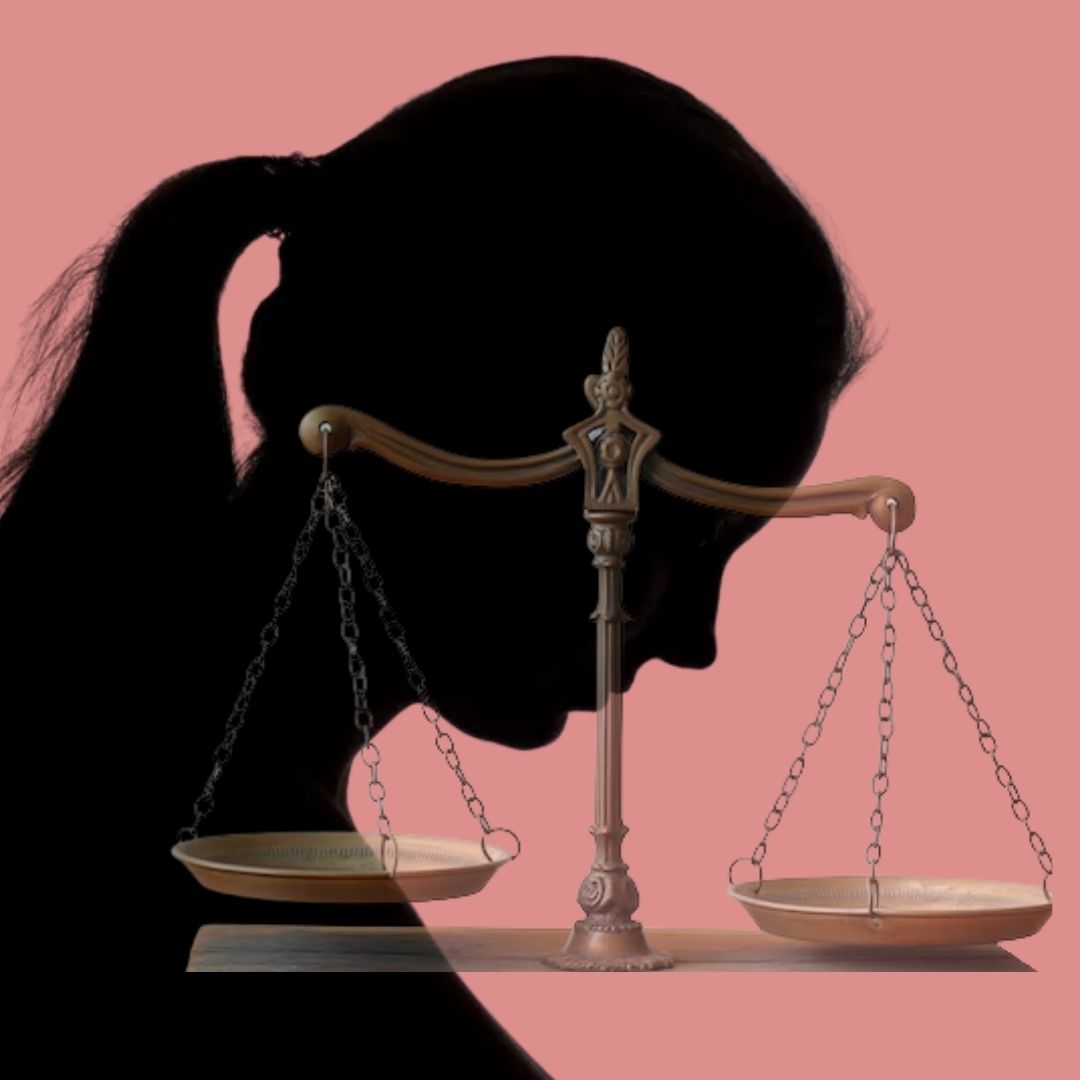
When courts measure rape through moral judgment rather than coercion, justice quietly slips out of reach for survivors.
In societies governed by the rule of law, courts are entrusted not only with resolving disputes but also with upholding dignity, legality, and justice, particularly for those who approach the judicial system in conditions of profound vulnerability. Yet recent judicial reasoning in rape cases raises serious concerns about whether this responsibility is being fulfilled. Certain Supreme Court rulings appear to have shifted the burden onto survivors, reframing sexual violence through moral and evidentiary standards that ultimately harm women rather than protect them.
A troubling pattern has emerged in which rape convictions are overturned on grounds that effectively recast complainants as morally culpable while offering impunity to perpetrators. In early December, the Supreme Court issued a six-page judgment commuting a 20-year sentence to five years after reclassifying the offence as a consensual extramarital relationship. Such reasoning risks providing abusers with avenues to manipulate legal standards and evade accountability, particularly in cases where coercion is subtle, psychological, or exercised through threats rather than visible force.
The verdict relied on two factors in a case involving a survivor who was raped at gunpoint in 2015: a seven-month delay in the registration of the FIR and the absence of “healed marks of violence on the entire body of the victim.” A three-member bench, comprising Justices Malik Shahzad Ahmed Khan and Aqeel Ahmed Abbasi, treated these factors as undermining the prosecution’s case. In her dissent, Justice Ayesha Malik strongly challenged this approach, emphasizing that there is no standardized or formulaic response to sexual assault. She underscored that rape constitutes a violation of a woman’s constitutional rights to life, dignity, and privacy, and cannot be reduced to physical injuries or stereotypical expectations of resistance.
This reasoning reflects a persistent and deeply flawed myth surrounding rape and sexual violence: that it is fundamentally about sex. In reality, rape is an act of power and control, where sexual violence is used as a means to dominate and coerce. By focusing narrowly on physical resistance or visible injury, the court’s reasoning ignores the dynamics of power that define most sexual assaults. In cases involving weapons, threats, or fear of retaliation, victims may be unable or unwilling to resist physically. Similarly, delays in reporting are often shaped by social stigma, fear of consequences, and pressure from family or community, particularly in patriarchal contexts. The case at hand is a clear illustration of how power operates to silence survivors, yet this reality was overlooked in judicial assessment.
Pakistan’s legal history offers a stark reminder of the dangers inherent in such reasoning. In 1983, Safia Bibi, a blind 20-year-old woman, was convicted under Section 10(2) of the Offence of Zina (Enforcement of Hudood) Ordinance, 1979, and sentenced to three years’ rigorous imprisonment, fifteen lashes, and a fine. Her alleged rapist, Maqsood, was acquitted for lack of evidence. The case became emblematic of judicial violence, where a vulnerable woman was punished for reporting sexual assault while the male perpetrator escaped accountability.
The reasoning underpinning recent verdicts echoes this pre-reform landscape, where women who reported sexual violence were exposed to criminal liability instead of legal protection. By privileging moral judgments, delays in reporting, and physical injury over an understanding of coercion and power, such rulings risk eroding statutory protections and constitutional guarantees. If left unchecked, this jurisprudential trajectory threatens to push Pakistan back toward an era in which survivors are disbelieved, discredited, and punished while perpetrators remain shielded by the very system meant to deliver justice.