




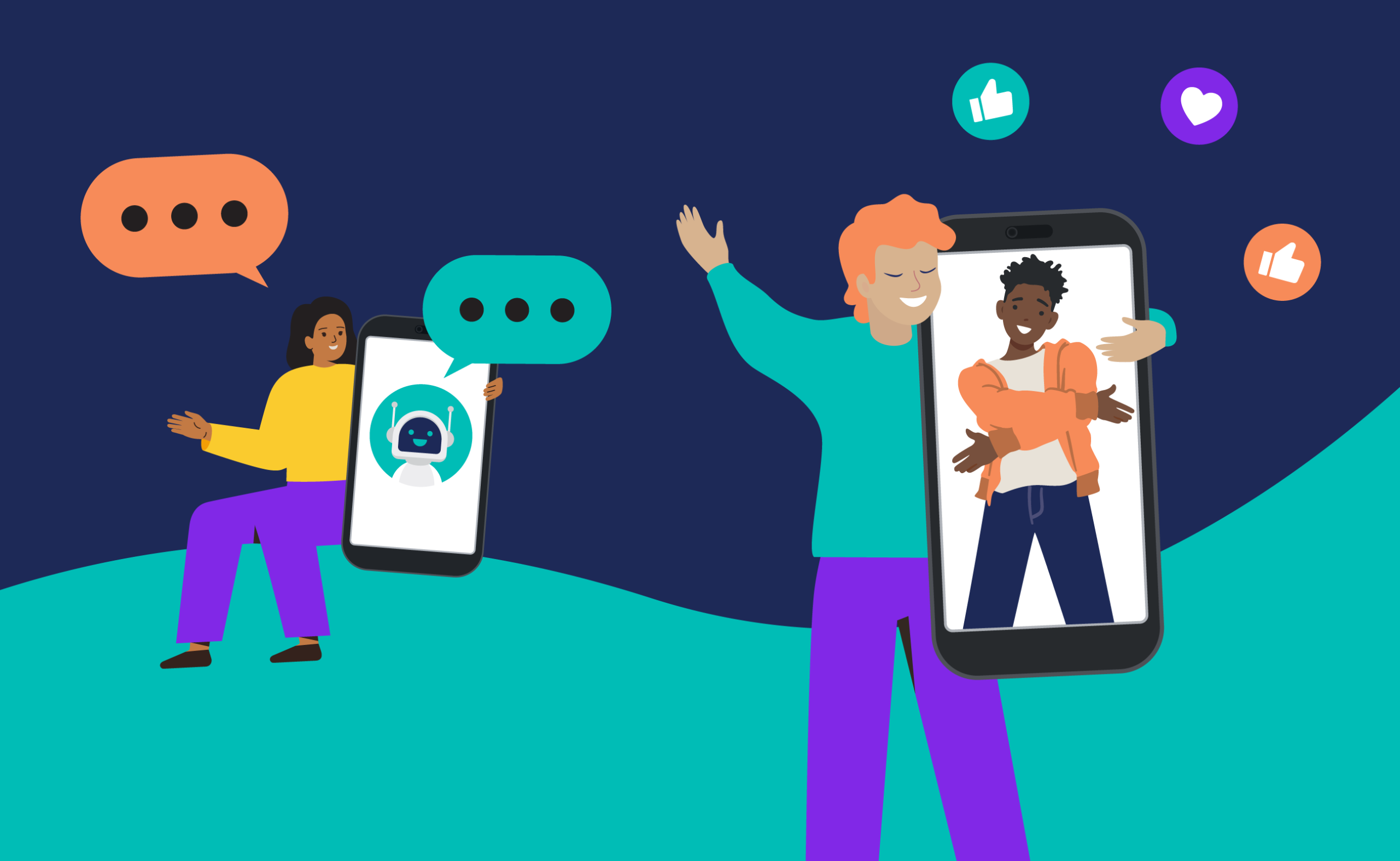
Have you ever felt emotionally close to a celebrity like Taylor Swift or Lily Allen despite never having met them? If so, your feelings fall under the term “parasocial,” which the Cambridge Dictionary has chosen as its word of the year for 2025. The selection highlights a year in which conversations around one-sided emotional connections—especially those involving influencers, online personalities, and even AI chatbots—have become increasingly prominent.
The dictionary defines “parasocial” as relating to a sense of connection that a person feels toward a famous figure they do not personally know. The concept itself isn’t new. It dates back to 1956, when University of Chicago sociologists first described how television viewers formed imaginary but meaningful relationships with TV hosts and performers, treating them almost like friends or family members.
Cambridge’s lexicographers said the word was chosen not only because of its historical significance but also due to its relevance in a digital era where social media, livestreaming, and AI tools blur boundaries between public figures and their audiences. As artificial intelligence becomes more integrated into everyday routines, these one-sided attachments have expanded beyond human celebrities to include AI systems that offer emotional engagement, reassurance, and conversation.
Alongside “parasocial,” the dictionary also updated the meaning of the term “slop,” which now refers to the overwhelming amount of low-quality AI-generated content that’s flooding the internet. This shift reflects the challenges posed by rapid technological growth and the difficulty of distinguishing original content from mass-produced machine output.
The Cambridge Dictionary announced that it has added 6,212 new words, phrases, and definitions over the past year. Many of these additions come from online culture, viral trends, and the evolving language of younger generations. Among the newly included terms are “skibidi,” “delulu,” and “tradwife.”
“Skibidi,” a slang word popularized through internet memes, has flexible uses. It can mean something positive or negative, be used humorously with no real meaning at all, or appear in expressions like, “What the skibidi are you doing?” “Delulu,” meanwhile, is a playful take on “delusional,” often used to describe someone with unrealistic expectations, particularly in fandom or romantic contexts. “Tradwife” is short for “traditional wife,” referring to a married woman—often visible on social media—who embraces and promotes conventional domestic roles such as cooking, cleaning, and homemaking.
Colin McIntosh, one of the Cambridge Dictionary’s lexicographers, explained that only words with clear staying power are added. He noted that the influence of internet culture on the English language is “fascinating to observe,” as new expressions spread rapidly and become part of public conversation.
Simone Schnall, a professor of experimental social psychology at the University of Cambridge, praised the choice of “parasocial,” calling it particularly insightful. She pointed out that modern society has seen a significant rise in intense and sometimes unhealthy parasocial attachments—especially toward influencers who share highly personal content that makes followers feel intimately connected to them.
Schnall also observed that these trends are evolving further as people increasingly treat AI tools like ChatGPT as companions that provide encouragement, emotional support, or even a form of therapy. This new dimension, she noted, makes the concept of parasocial relationships even more relevant for understanding how people interact in a digitally saturated world.